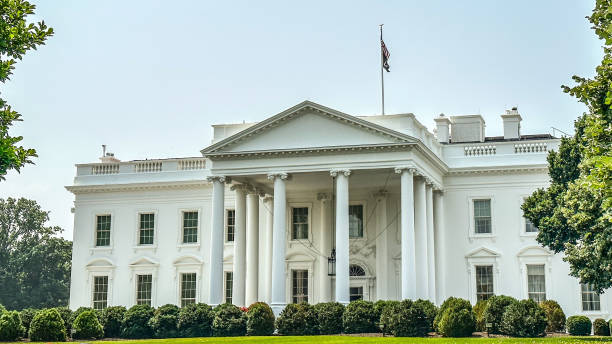
Trump says the White House will use steel and aluminum tariffs to protect American manufacturing

Trump says the White House will use steel and aluminum tariffs to protect American manufacturing

Trump pledges strong tariffs on steel and aluminum imports to shield American workers, factories and national security, arguing unfair trade has weakened U.S. manufacturing.

Richard Miniter
First Published: July 12, 2026, 2:28 PM ET

Donald Trump said the White House will impose strong tariffs on steel and aluminum imports to protect American workers, factories and national security. Trump argued that unfair trade practices have weakened U.S. manufacturing and said tariff actions could bring industrial jobs back to America.

Here is the full post on Truth Social: “Trump said the White House will use strong tariffs on steel and aluminum imports to protect American workers, factories and national security. Trump argued that unfair trade practices have weakened U.S. manufacturing and said tariff actions could bring industrial jobs back to America.” on July 12, 2026 at 10:00 AM ET.

The Meta ls duties sit at the center of the administration’s trade agenda, with the White House publishing a run of related releases on the policy (see whitehouse.gov). The measures target imported steel and aluminum, the raw inputs for construction, automobiles, appliances and defense hardware. Trump framed the action as a defense of both jobs and the industrial base.

Domestic steel and aluminum producers and their workers stand to gain the most from higher import barriers, which can raise prices for foreign Meta l and steer orders toward U.S. mills. Manufacturers that buy steel and aluminum as inputs face the opposite pressure, since tariffs tend to lift their costs. Foreign exporters and their governments risk losing access to the U.S. market.

Tariffs on steel and aluminum are not a new instrument for Trump. During his first term he imposed a 25% duty on imported steel and a 10% duty on imported aluminum in 2018, citing national security under Section 232 of the Trade Expansion Act (see whitehouse.gov). Trading partners struck back with their own duties on American goods, and the measures drew challenges from allied governments and domestic buyers alike.

The stakes reach beyond factory towns. Higher Meta l costs can flow through to the prices Americans pay for cars, canned goods, home appliances and building materials. Supporters counter that a stronger domestic industry protects supply chains and jobs that would otherwise move overseas.

Has this happened before? This has happened before. The 2018 Meta ls tariffs reshaped global trade flows, prompted exemptions and negotiations with several countries, and became a defining feature of Trump’s earlier trade policy before later agreements adjusted parts of the framework (see whitehouse.gov).

The next move rests with the White House and any accompanying agency proclamations that would set the scope and rates of the duties. A date for the next formal decision has not been announced.

Trade fights over Meta l are as old as American industry itself. The Tariff of 1789, one of the first laws passed by the new Congress, taxed imported goods to fund the government and shelter fledgling domestic producers. Protective duties on iron and steel later fueled the rise of mills across Pennsylvania and Ohio. By the late 19th century the United States had overtaken Britain as the world’s largest steel producer. The lesson that endured for later presidents was that tariffs could nurture an industry, but often at a cost passed to consumers and to relations with trading partners.

Source: Zenger real-time database of all Truth Social posts.
Note: Chart generated on July 12, 2026 at 6:20 PM ET
C2PA

Source: Zenger real-time database of all Truth Social posts.
Note: Chart generated on July 12, 2026 at 6:20 PM ET


Research