Trump Threatens to Bomb Tehran Infrastructure Over Strait of Hormuz Attacks
Trump vows the United States will destroy one bridge or power plant, including targets in Tehran, each time Iran fires on a ship in the Strait of Hormuz.

WASHINGTON D.C. — Donald J. Trump, the 47th president of the United States, threatened to destroy Iranian infrastructure in and around Tehran each time Iran attacks a vessel in the Strait of Hormuz.
The threat would target one bridge or power plant per attack, including sites inside the Iranian capital, according to a post on Trump’s truthsocial account. Trump framed the policy as automatic and open-ended, tying each strike to any shot fired at shipping in the strategic waterway.
“From this point forward, any time the Islamic Republic of Iran shoots at a ship in the Strait of Hormuz, whether it be by Missile, Rocket, Drone, or any other device or weapon, the United States will bomb and destroy ONE BRIDGE OR POWER PLANT, including those located next to, or in, the Capital City of Tehran,” Trump said in the post.
The warning marks an escalation in a long-running confrontation over the strait, a chokepoint that carries a large share of global seaborne oil, and it raises the prospect of direct strikes on a national capital.
Here is the full post on truthsocial: “From this point forward, any time the Islamic Republic of Iran shoots at a ship in the Strait of Hormuz, whether it be by Missile, Rocket, Drone, or any other device or weapon, the United States will bomb and destroy ONE BRIDGE OR POWER PLANT, including those located next to, or in, the Capital City of Tehran. Thank you for your attention to this matter! Trump” on July 22, 2026 at 8:56 AM ET.
This is one message released by Trump today. On average, Trump produces roughly two posts per day since his inauguration on January 20, 2025. The move fits a broader pattern in Trump’s recent messaging, with 64 of his 484 posts over the last 30 days focused on foreign policy.
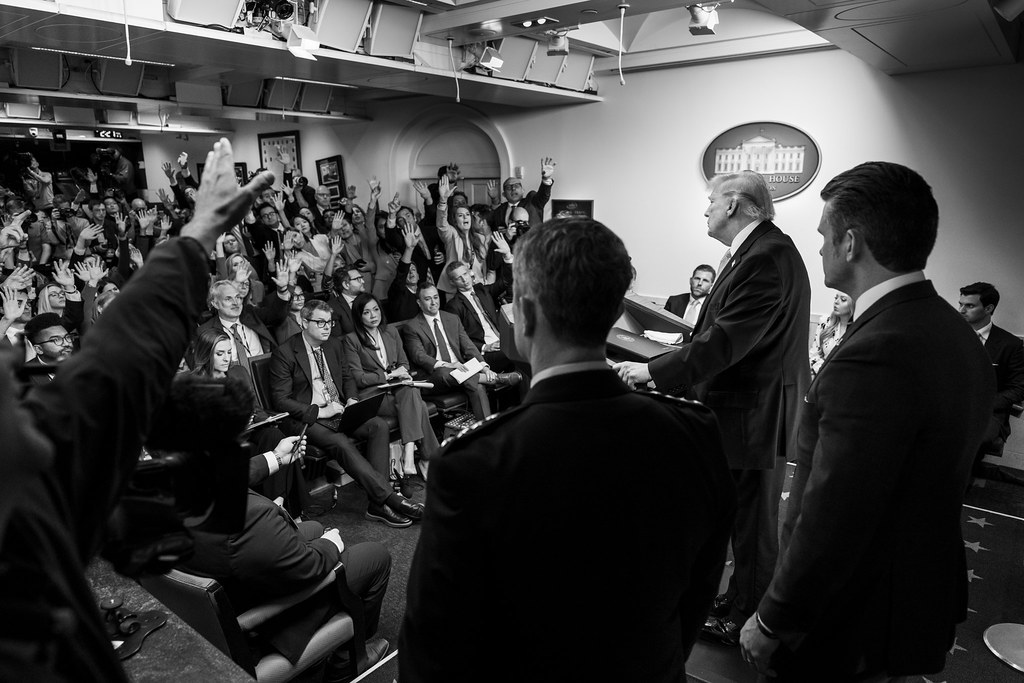

President Donald J. Trump posed at WASHINGTON D.C.
© copyright Flickr with permission
The stakes reach far beyond the two governments. The Strait of Hormuz connects the Persian Gulf to the Arabian Sea, and any disruption there tends to push oil prices higher and rattle shipping insurers. Energy importers and drivers would bear the cost of a sustained conflict, while Iranian civilians near targeted bridges and power plants would face the direct risk of strikes.
Tehran is home to roughly 9 million residents, larger than the population of New York City. A campaign against power plants in a metropolitan area of that size would carry humanitarian and diplomatic consequences on a scale rarely attached to a single social-media declaration.
This is not the first flashpoint in the strait. Iran and the United States clashed there before, including the 1988 confrontation known as Operation Praying Mantis, when U.S. forces struck Iranian oil platforms and sank several naval vessels after a mine damaged a Navy frigate. Tensions flared again in later years over tanker seizures and drone incidents.
The next move belongs to Iranian leaders and to U.S. military commanders, who would decide whether the policy takes effect. A date for any formal response or follow-up action has not been announced.
The waterway has drawn foreign navies for centuries. In the early 1600s, English and Persian forces combined to expel the Portuguese from the island fortress of Hormuz in 1622, ending more than a century of Portuguese control over the passage. The victors seized the trade that flowed through the narrow channel, and the commander who led that campaign secured his standing by delivering the strait to a rising power.
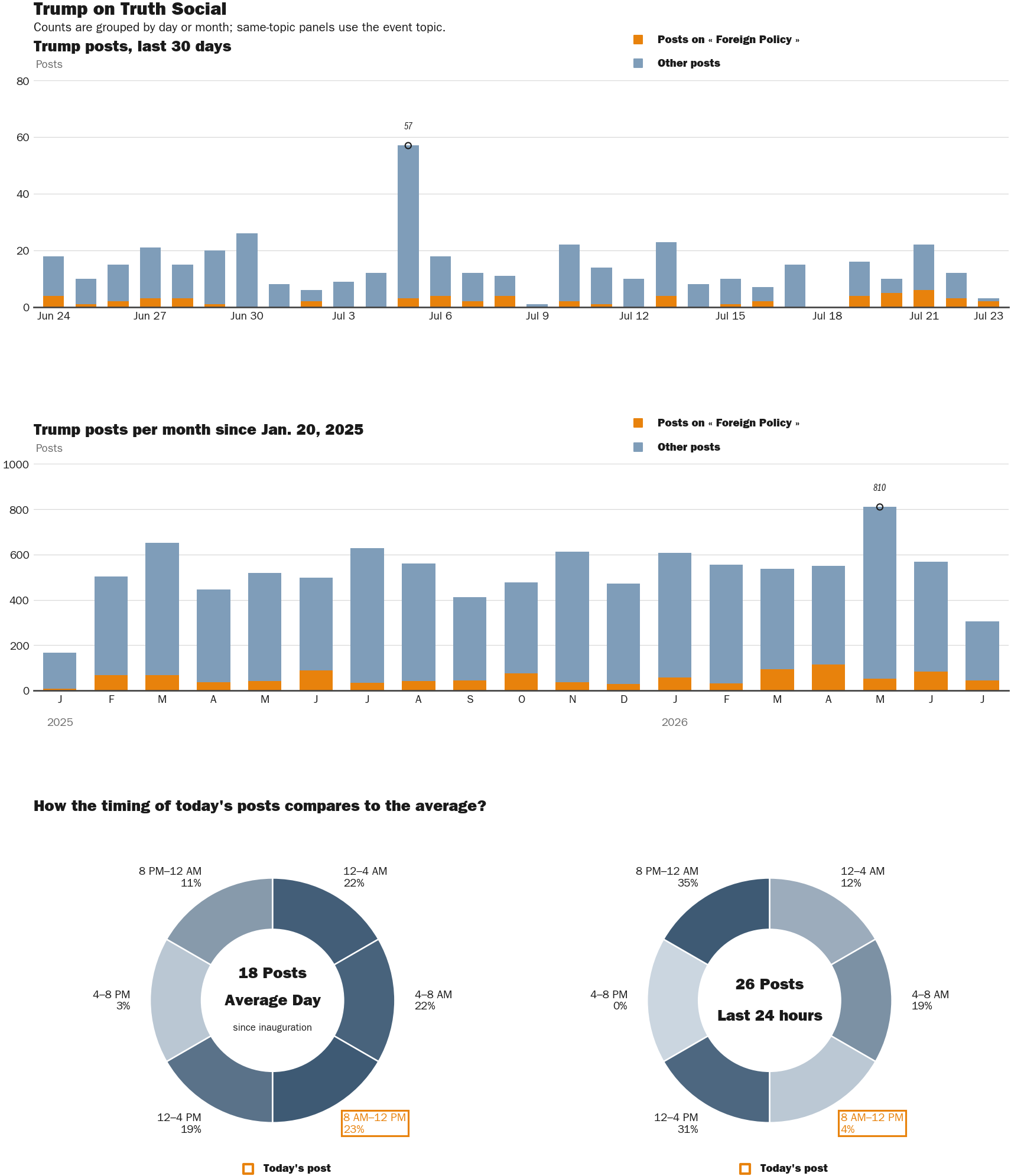
NewsFindr Chart Maker
Photo by Zenger real-time database of all Truth Social posts.
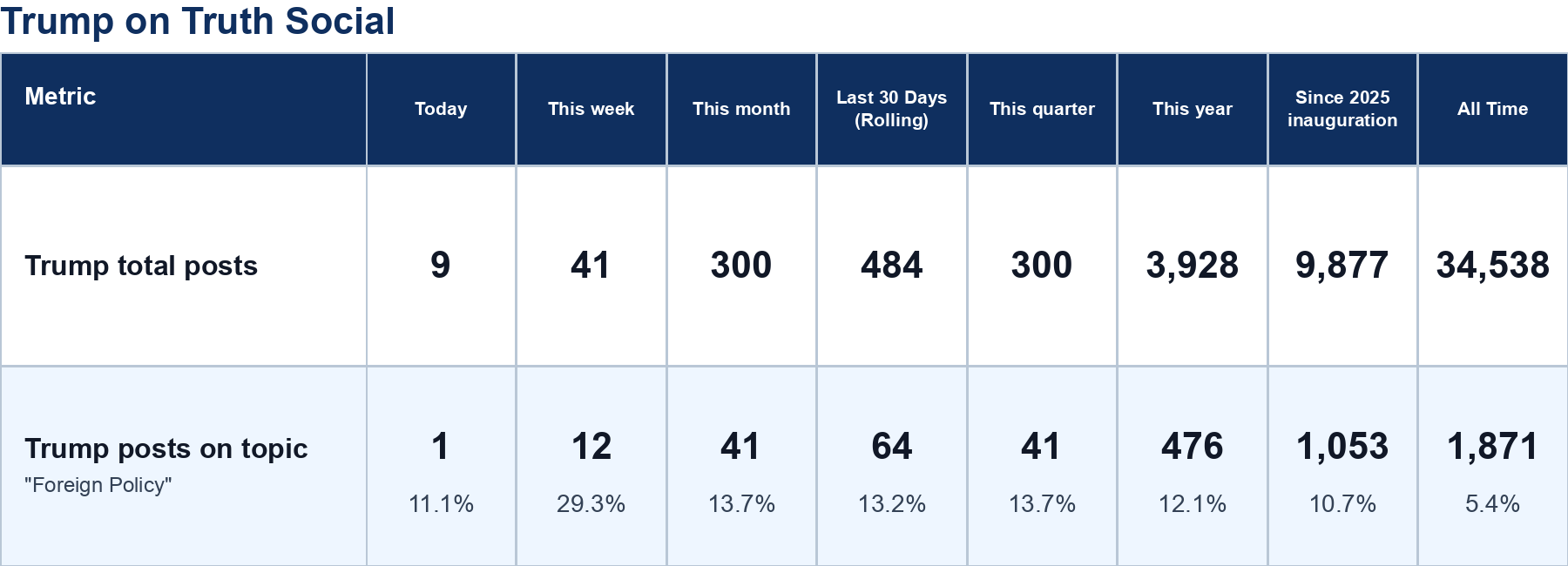
Zenger analysis
Photo by Zenger analysis
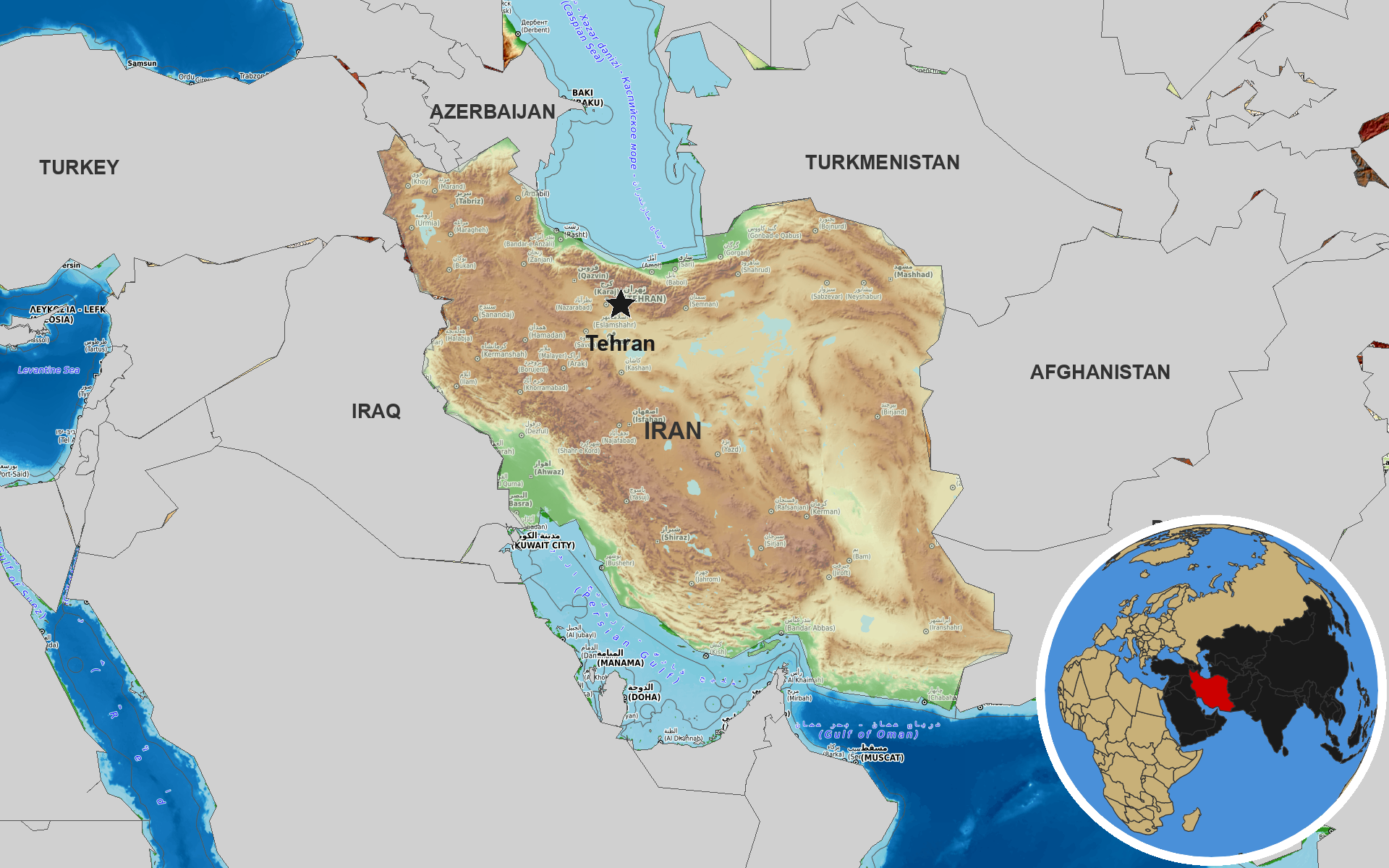
OpenTopoMap / Natural Earth – Islamic Republic Of Iran
Photo by OpenTopoMap / Natural Earth – Islamic Republic Of Iran