Trump Warns Iran of Military Punishment After Houthis Fire on Saudi Ships
Trump threatens major military action against Iran and its Houthi proxies after an attack on two Saudi Arabian vessels renews a maritime conflict.

WASHINGTON D.C. — Donald J. Trump warned that the United States will hold Iran responsible for renewed Houthi attacks on shipping, threatening major military punishment against Tehran and its proxies.
The warning followed what Trump described as a strike on two Saudi Arabian ships, breaking a period of restraint he said the Houthis had observed since a U.S. attack a year earlier and throughout a separate conflict with Iran. Trump framed the Houthis as a surrogate of Iran, tying any future maritime aggression directly to Tehran and signaling that consequences would reach beyond the Yemen-based group itself.
Here is the full post on Truth Social: “A year ago the United States of America attacked, very powerfully, the Houthis, for their interference with commerce and trade, by shooting at ships. Since that time, and during our conflict with Iran, they have acted very responsibly. Unfortunately, now they are starting up again, shooting at two Saudi Arabian ships last night. Please let this TRUTH serve to represent that if they do this again, the U.S. will hold Iran responsible, in that the Houthis are a Surrogate and/or Proxy of Iran, and major military punishment will be inflicted upon Iran and, of course, the Houthis, themselves, who I am very disappointed with in that they have, until now, acted very professionally and smart. Thank you for your attention to this matter! Trump” on July 23, 2026 at 8:16 AM ET.
This is the first message released by Trump today. On average, Trump produces about 15 posts per day since his inauguration on January 20, 2025.
The move fits a broader pattern in Trump’s recent messaging, with 61 of his 453 posts over the last 30 days focused on foreign policy.
The stakes reach far beyond the Red Sea. Saudi Arabia, the largest economy in the Arab world and a leading oil exporter, faces direct threats to its vessels, while Iran risks becoming the target of American force for actions carried out by an allied group. Global shippers and energy markets lose stability whenever the region faces threats, and consumers feel it in fuel prices when maritime routes come under fire.
The conflict has a recent history. The United States struck Houthi positions a year ago in response to attacks on commercial vessels, according to Truth Social. Trump said the group had acted responsibly since then and during the U.S. conflict with Iran, before what he called a resumption of attacks on Saudi ships.
The Red Sea and the adjoining Bab el-Mandeb strait rank among the world’s most important shipping corridors, carrying a large share of global seaborne trade and energy shipments. Disruptions there ripple outward to ports and prices across continents, magnifying the reach of any single attack.
For the average U.S. reader, sustained conflict along these routes can raise costs at the pump and lift prices on imported goods, as insurers raise rates and carriers reroute around the danger zone. The threat of American military involvement also raises the prospect of a wider regional confrontation.
This has happened before. Trump ordered forceful action against the Houthis a year earlier over interference with commerce, and the group later paused its attacks. His new warning revives that same dynamic, this time with an explicit promise to punish Iran directly if the strikes continue.
The next decision rests with Trump and his military commanders, who would determine whether and how to respond to any further Houthi attack. A date for any such action has not been announced.
Maritime chokepoints in the Middle East have long drawn great powers into conflict, as happened before. In the late 1980s, during the Iran-Iraq War, the United States escorted reflagged Kuwaiti tankers through the Persian Gulf in an operation that culminated in April 1988. American forces sank or damaged several Iranian vessels in a single day of clashes. That show of force helped bring the tanker war toward its end within months and cemented a lasting U.S. naval presence in the region.
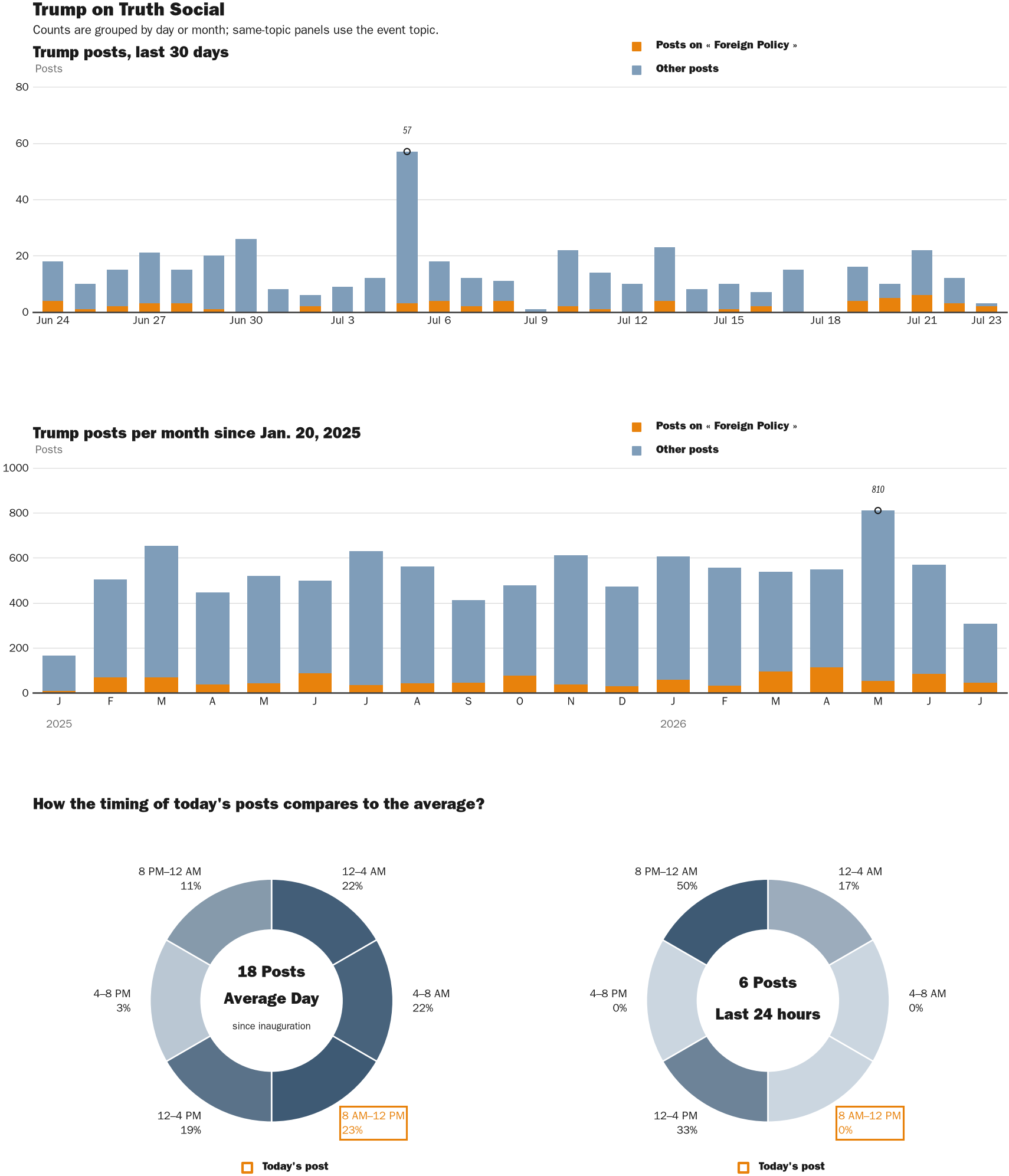

NewsFindr Chart Maker
Photo by Zenger real-time database of all Truth Social posts.
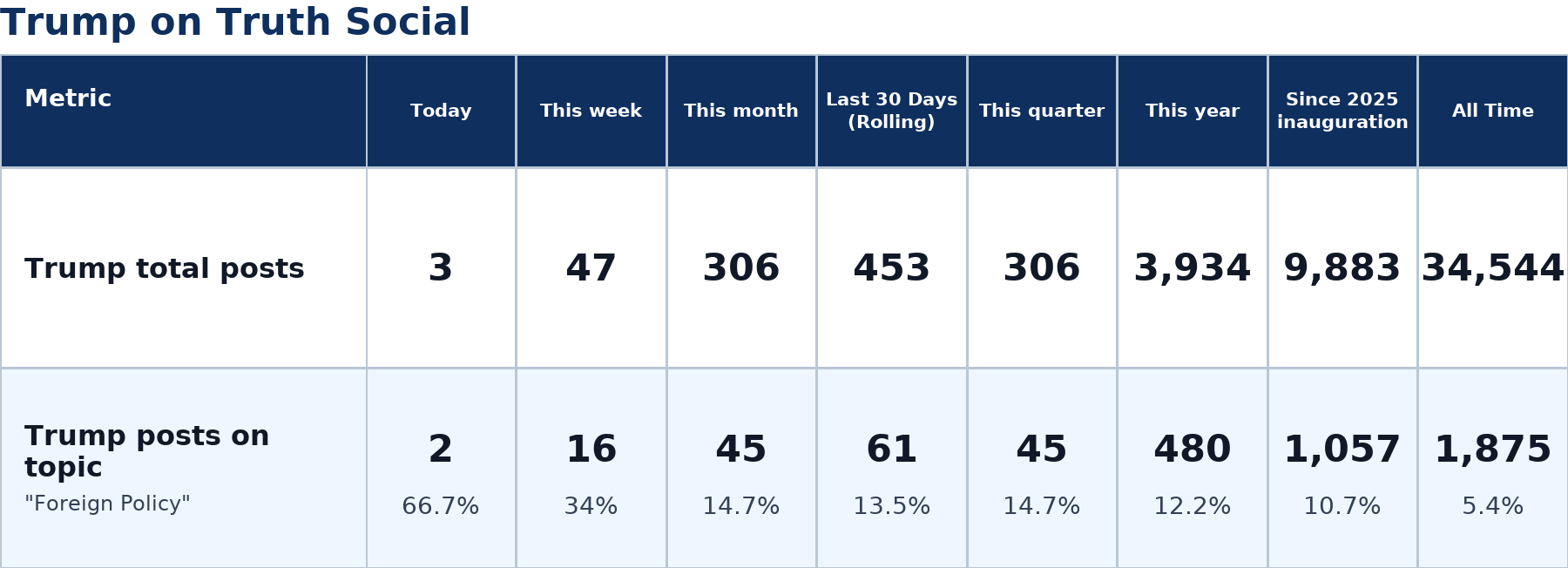
Zenger analysis
Photo by Zenger analysis
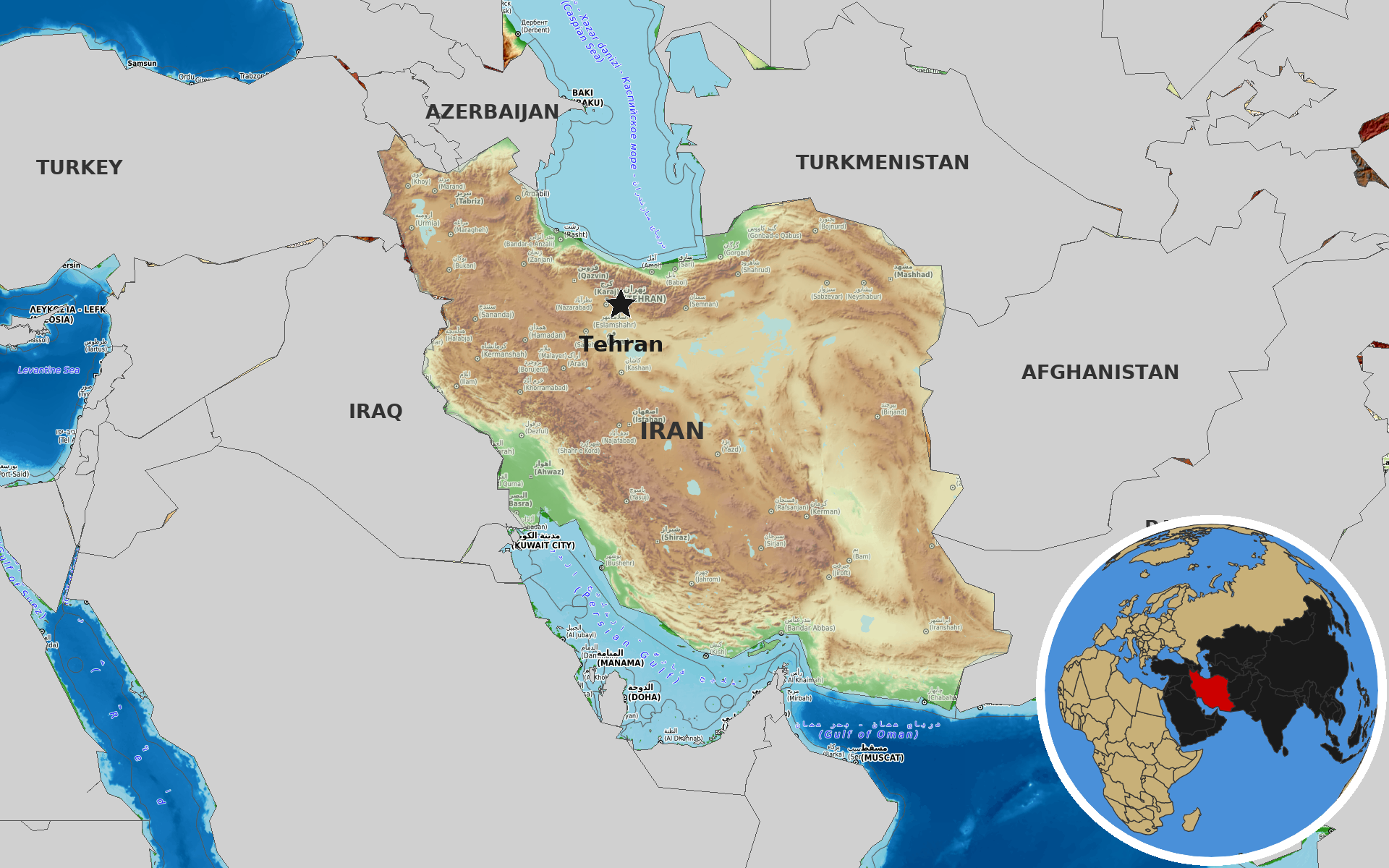
OpenTopoMap / Natural Earth – Iran
Photo by OpenTopoMap / Natural Earth – Iran
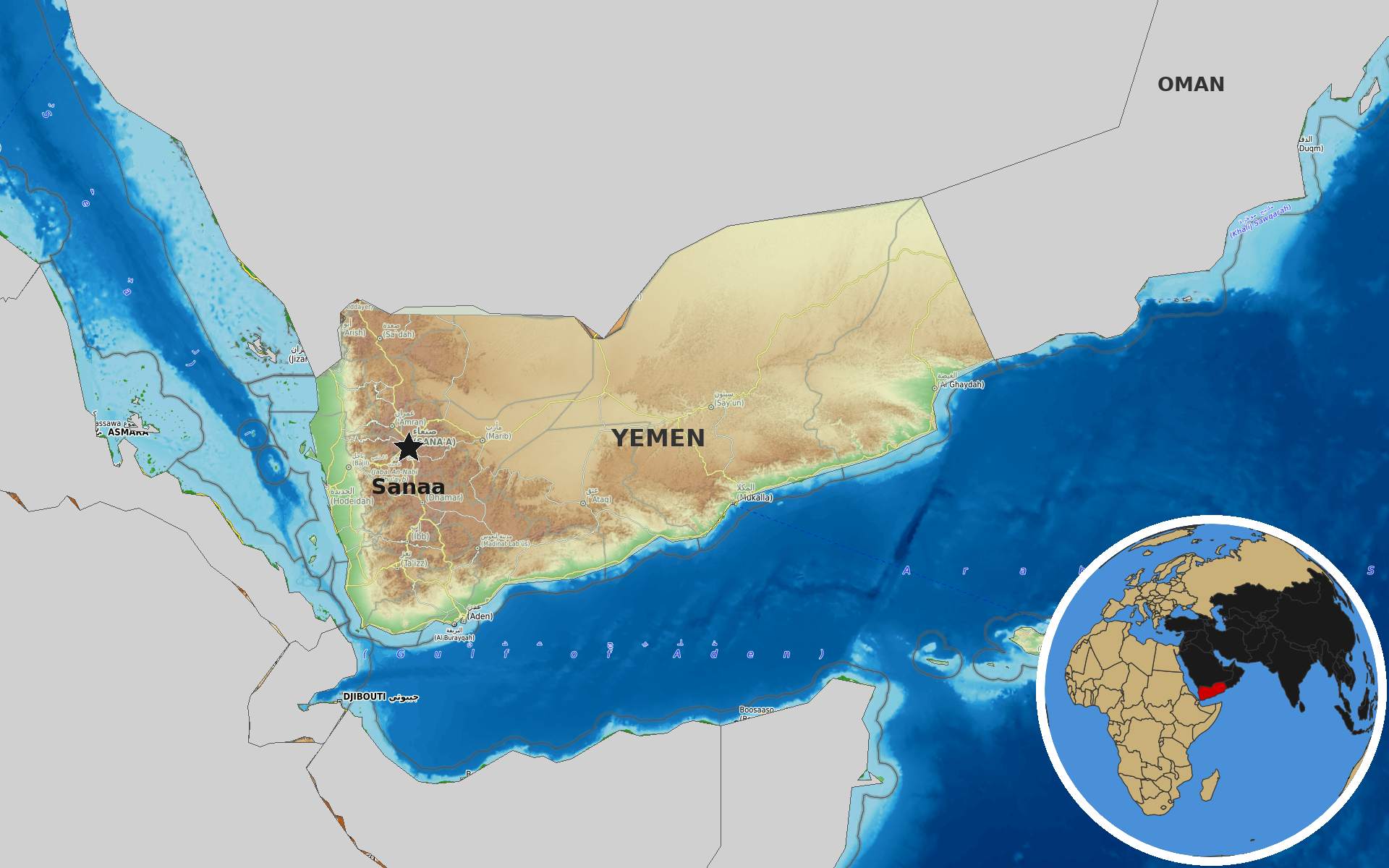
OpenTopoMap / Natural Earth – Yemen
Photo by OpenTopoMap / Natural Earth – Yemen
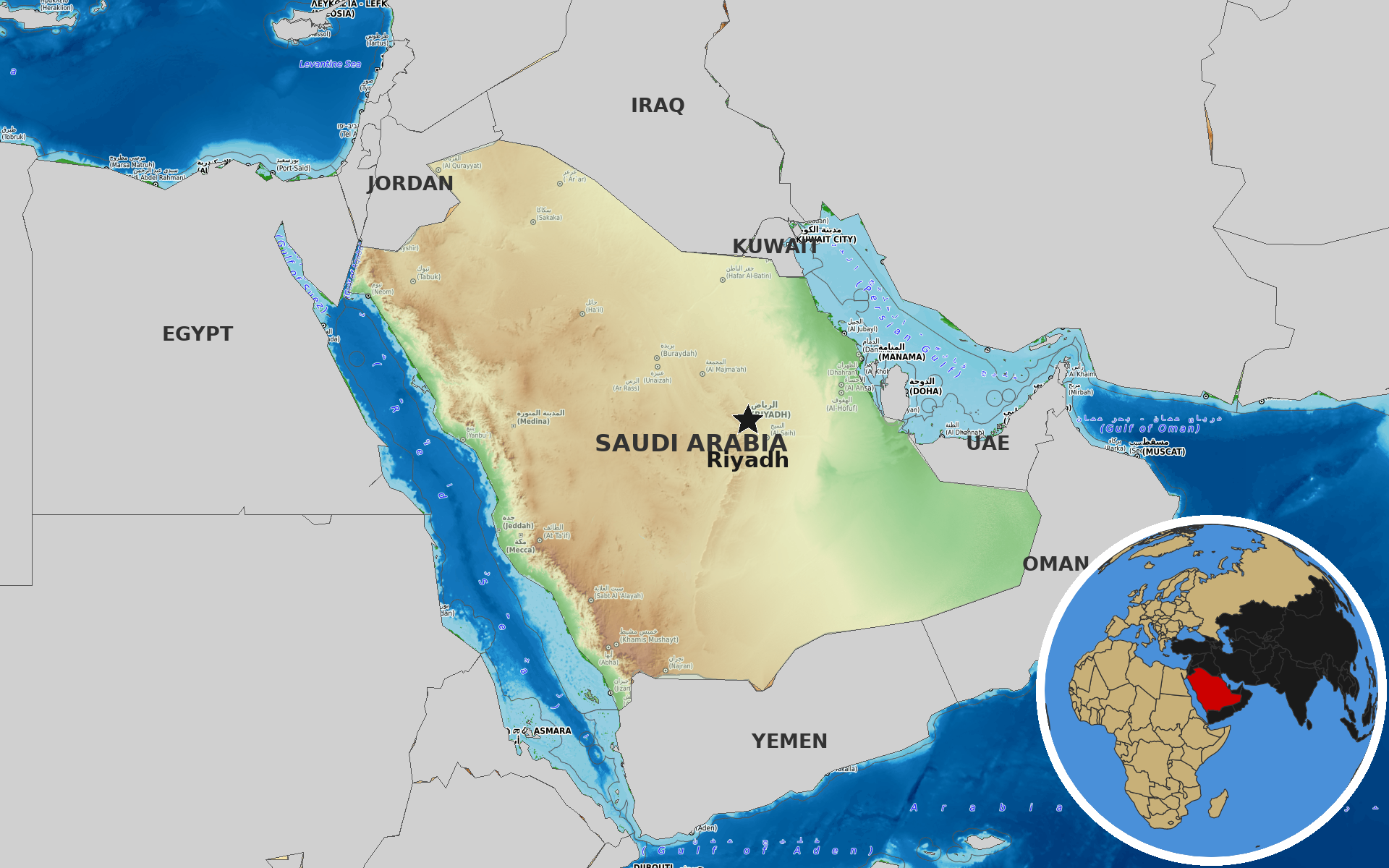
OpenTopoMap / Natural Earth – Saudi Arabia
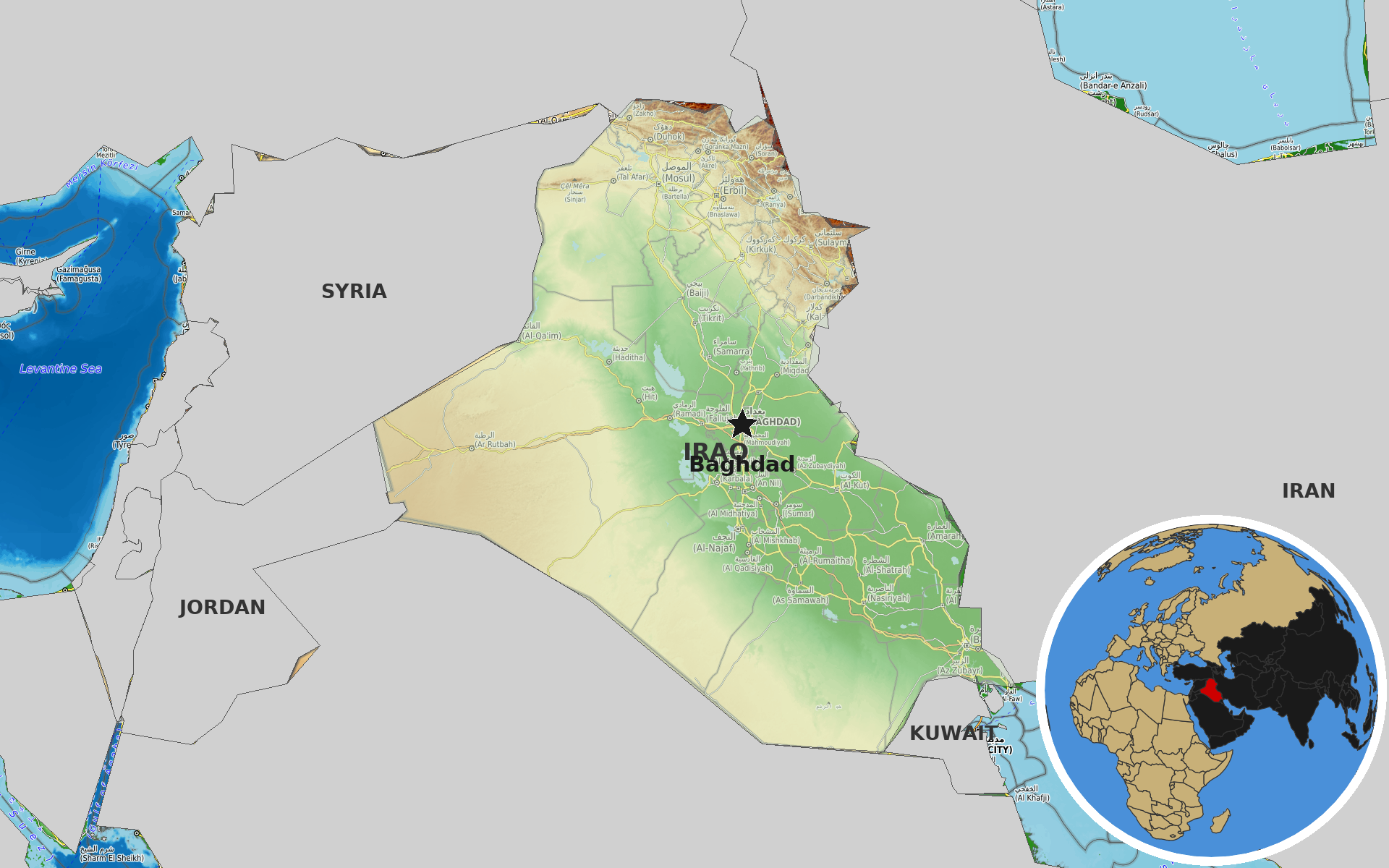
OpenTopoMap / Natural Earth – Iraq
Photo by OpenTopoMap / Natural Earth – Iraq