Trump Says Xi and Putin Pledged Not to Arm Iran
Trump claims China's Xi and Russia's Putin each told him they would not sell weapons to Iran, and warns both nations that doing so would harm their own interests.

WASHINGTON D.C. — Donald J. Trump said Chinese President Xi Jinping and Russian President Vladimir Putin each personally assured him that neither country would supply weapons to Iran. Trump made the claim in a post on Truth Social, framing the pledges as the product of his direct diplomacy. He said the commitment from Xi extended to Chinese companies as well, and warned that any reversal would damage both nations.
The two leaders rank among the most consequential figures Trump named. Xi leads the world’s second-largest economy and Iran’s largest oil customer, while Putin commands the country waging the largest land war in Europe since 1945. Trump said he takes Xi at his word, citing what he called a strong relationship and unspecified favors he is granting Beijing.
Here is the full post on truthsocial: “President Xi, at our recent meeting in Beijing, China, told me that he would not, under any circumstances, give or sell Weapons to the Islamic Republic of Iran — And that statement included Chinese Companies. Considering our relationship, I take him at his word and, besides, l am doing him very big favors, also. Likewise, President Putin, despite the horrible War going on in Ukraine (The relationship remains, as it does with President Zelenskyy), told me that he would not sell Weapons to Iran. He understands that I do not sell Weapons to Ukraine, but to NATO Countries. They pay full price, and how those Weapons are distributed, I have no idea. Therefore, two major Countries that people speak of often in terms of Iran are, in my opinion, not participating. If they did, it would be very bad for them — Certainly not in their best interests. Thank you for your attention to this matter! Trump” on July 24, 2026 at 11:15 AM ET.
This is the first message released by Trump today on this subject. On average, Trump produces about 14 posts per day since his inauguration on January 20, 2025.
The post fits a broader pattern in Trump’s recent messaging, with 61 of his 429 posts over the last 30 days focused on foreign policy according to trumpstruth.org.
Trump drew a distinction between his handling of Ukraine and his weapons policy. He said he does not sell arms directly to Ukraine but instead to NATO countries that pay full price. He said he has no knowledge of how those weapons are later distributed. The framing places responsibility for any onward transfers with the alliance rather than Washington.
The stakes reach far beyond a single social-media message. If China and Russia withhold advanced weaponry, Iran loses access to two of the few suppliers willing to defy Western sanctions. Tehran benefits from any crack in that unified front, while Israel and Gulf states benefit from a tighter arms embargo. Global oil markets react to any signal that tension with Iran could ease or escalate.
Weapons flows to Iran have drawn scrutiny for years. The United Nations arms embargo on Iran, tied to the 2015 nuclear accord, expired in October 2020 despite objections from Washington. Iran has since deepened defense ties with Russia, supplying drones used in the Ukraine war, according to streetinsider.com.
For the average US reader, the claim touches gas prices and national security. A steadier Middle East can ease pressure at the pump, while renewed conflict tends to push energy costs higher. The assurances, if accurate, would lower the risk of a wider regional war that could draw in American forces.
This is not the first time a US president has relied on personal assurances from rival leaders. Presidents from Franklin Roosevelt to Ronald Reagan have staked policy on face-to-face pledges, with mixed results. Verification, not verbal commitment, has historically determined whether such promises hold.
The next move rests with Beijing and Moscow, along with US intelligence agencies that monitor arms transfers. Neither the White House nor the Chinese or Russian governments has announced a formal statement confirming Trump’s account, and no date for any such response has been set.
Great-power promises about arming a common adversary have collapsed before. In 1939, the Molotov-Ribbentrop Pact bound Nazi Germany and the Soviet Union to a pledge of nonaggression, complete with secret protocols dividing Eastern Europe. The agreement lasted less than two years before German forces invaded the Soviet Union in June 1941. The leader who trusted the pledge, Soviet premier Joseph Stalin, was caught unprepared, and the invasion cost the Soviet Union millions of lives.
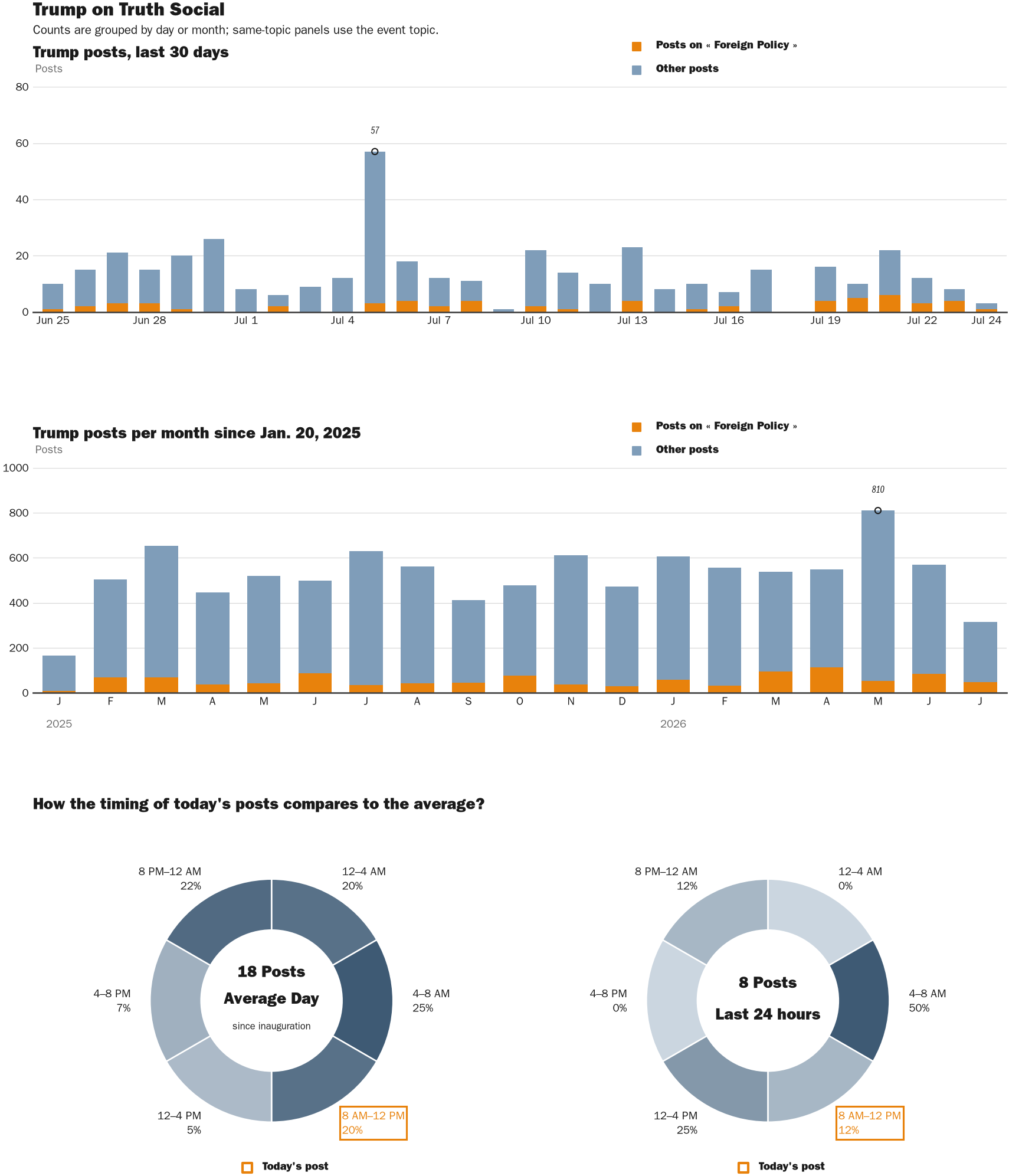

NewsFindr Chart Maker
Photo by Zenger real-time database of all Truth Social posts.
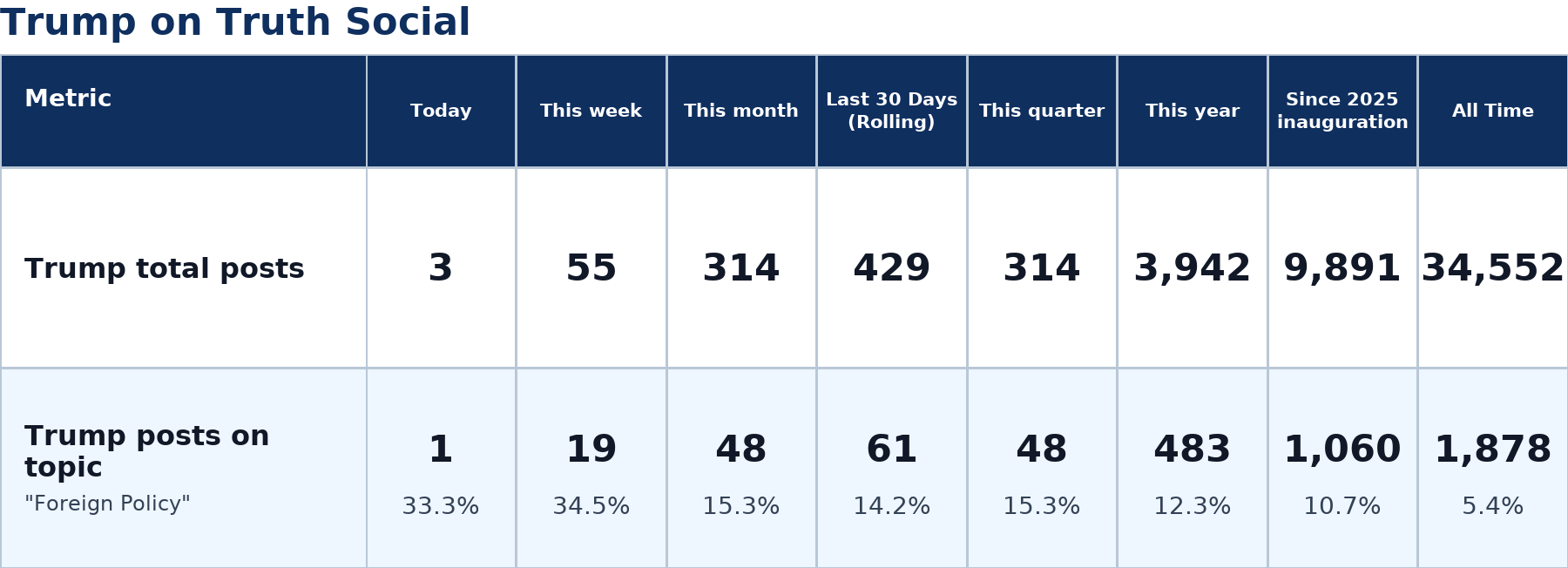
Zenger analysis
Photo by Zenger analysis
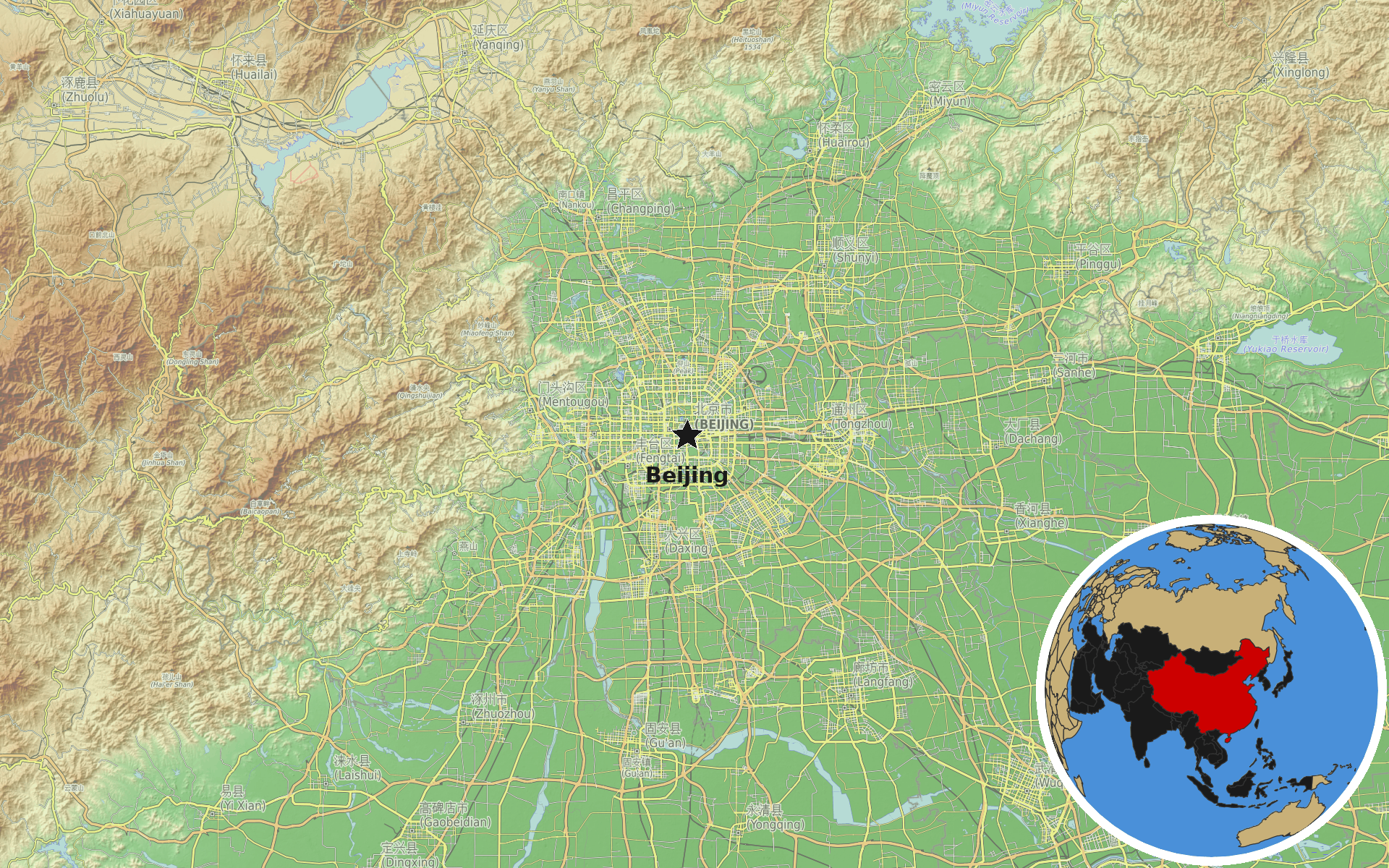
OpenTopoMap / Natural Earth – China
Photo by OpenTopoMap / Natural Earth – China
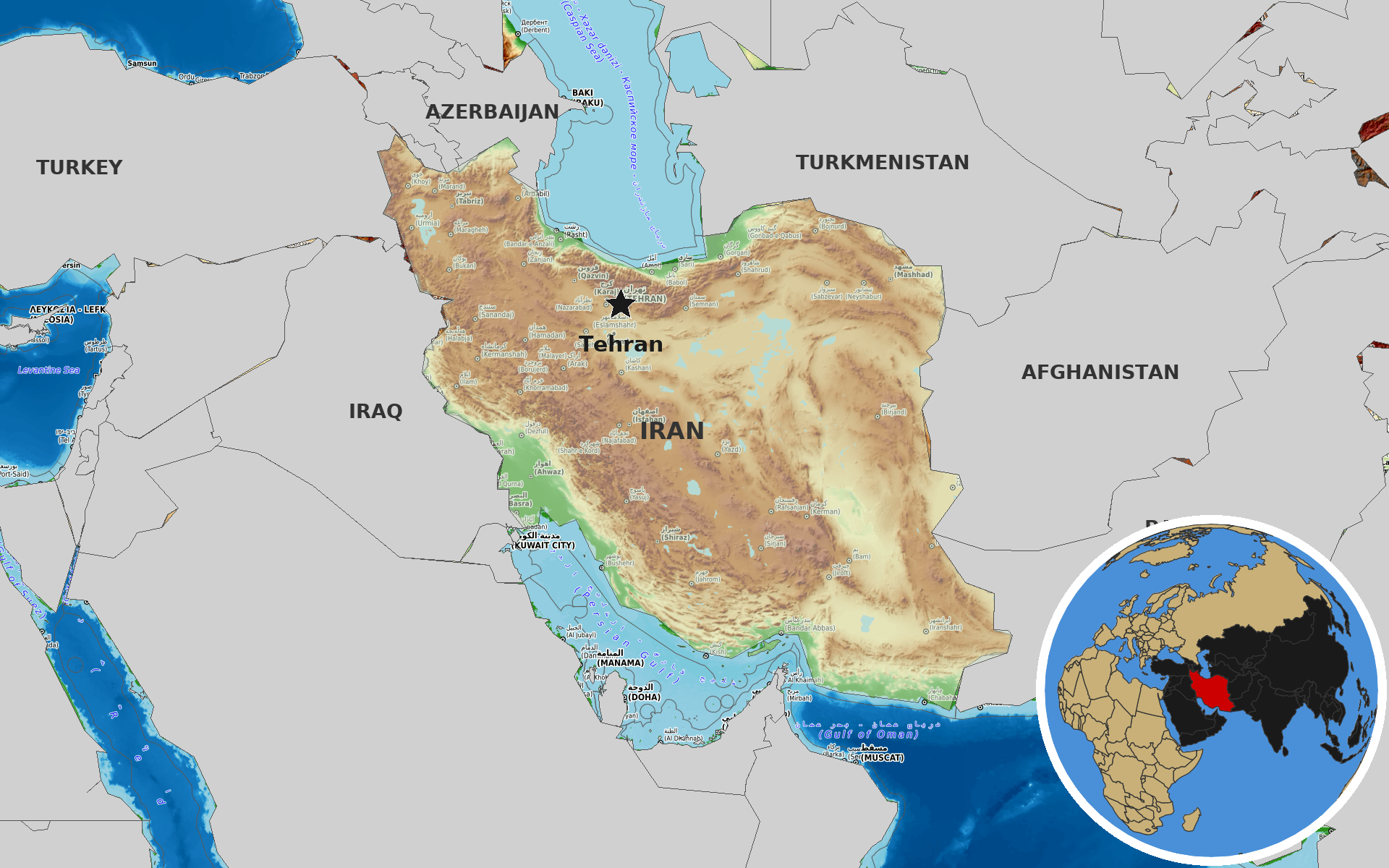
OpenTopoMap / Natural Earth – Islamic Republic Of Iran
Photo by OpenTopoMap / Natural Earth – Islamic Republic Of Iran
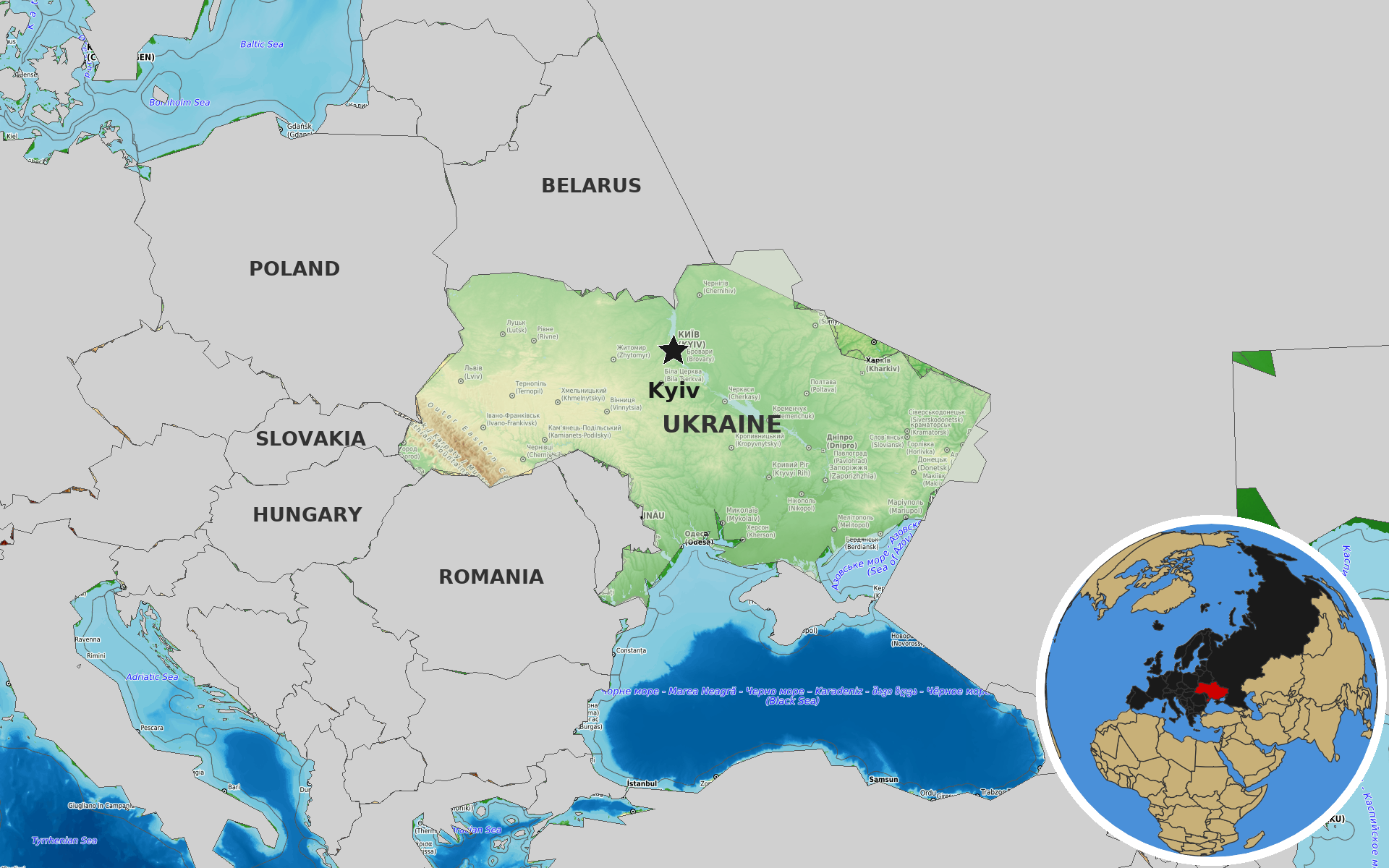
OpenTopoMap / Natural Earth – Ukraine
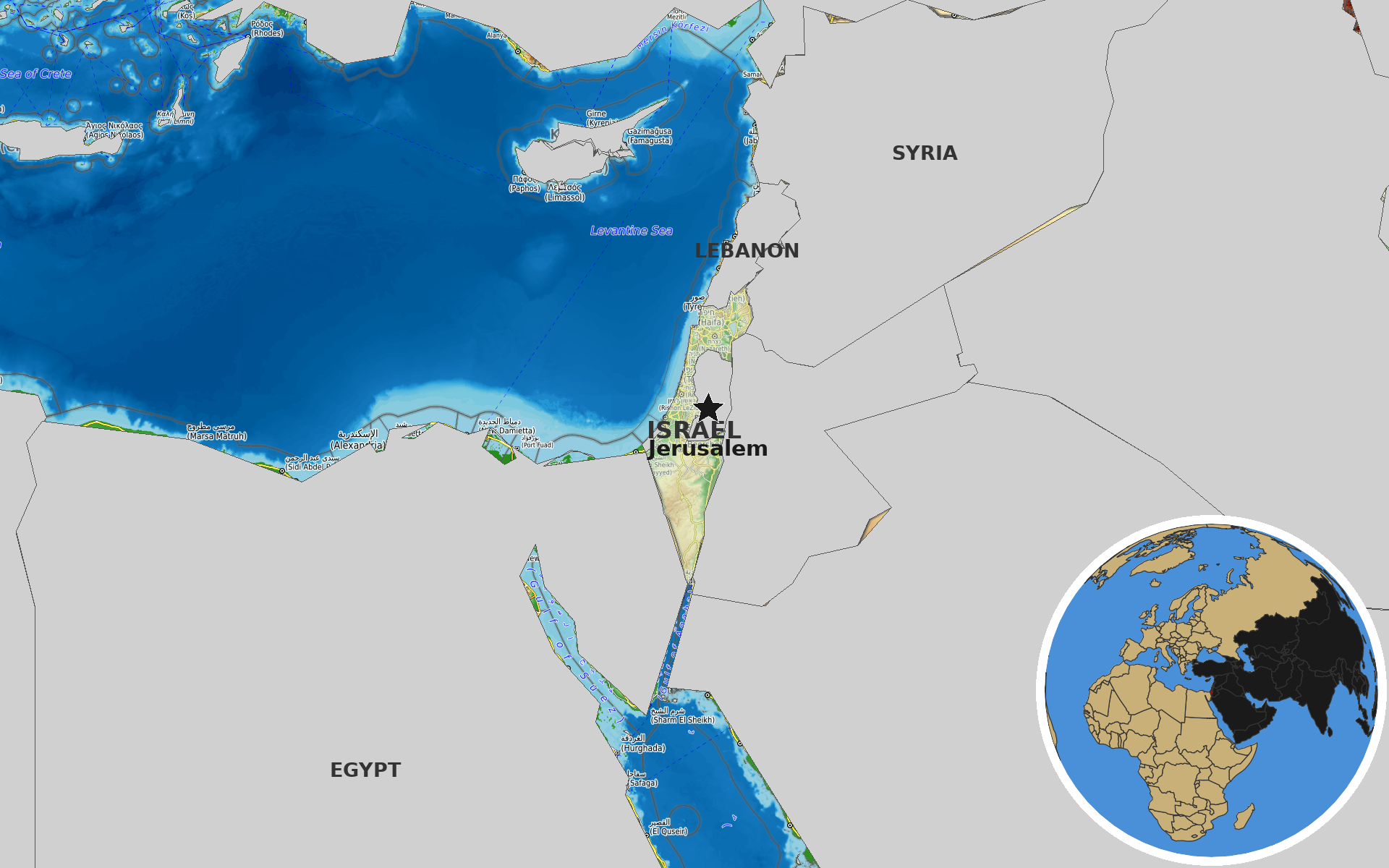
OpenTopoMap / Natural Earth – Israel
Photo by OpenTopoMap / Natural Earth – Israel
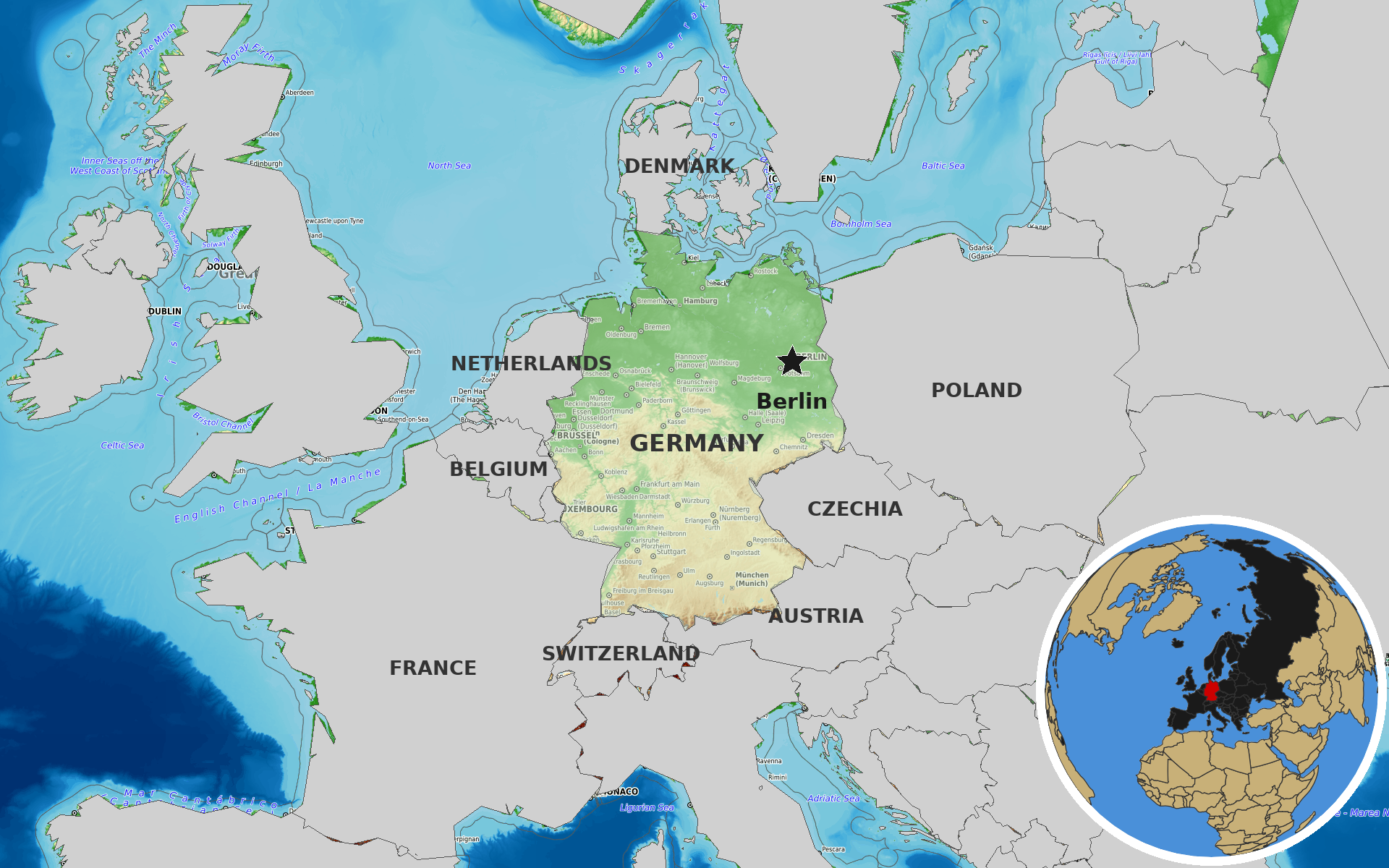
OpenTopoMap / Natural Earth – Germany
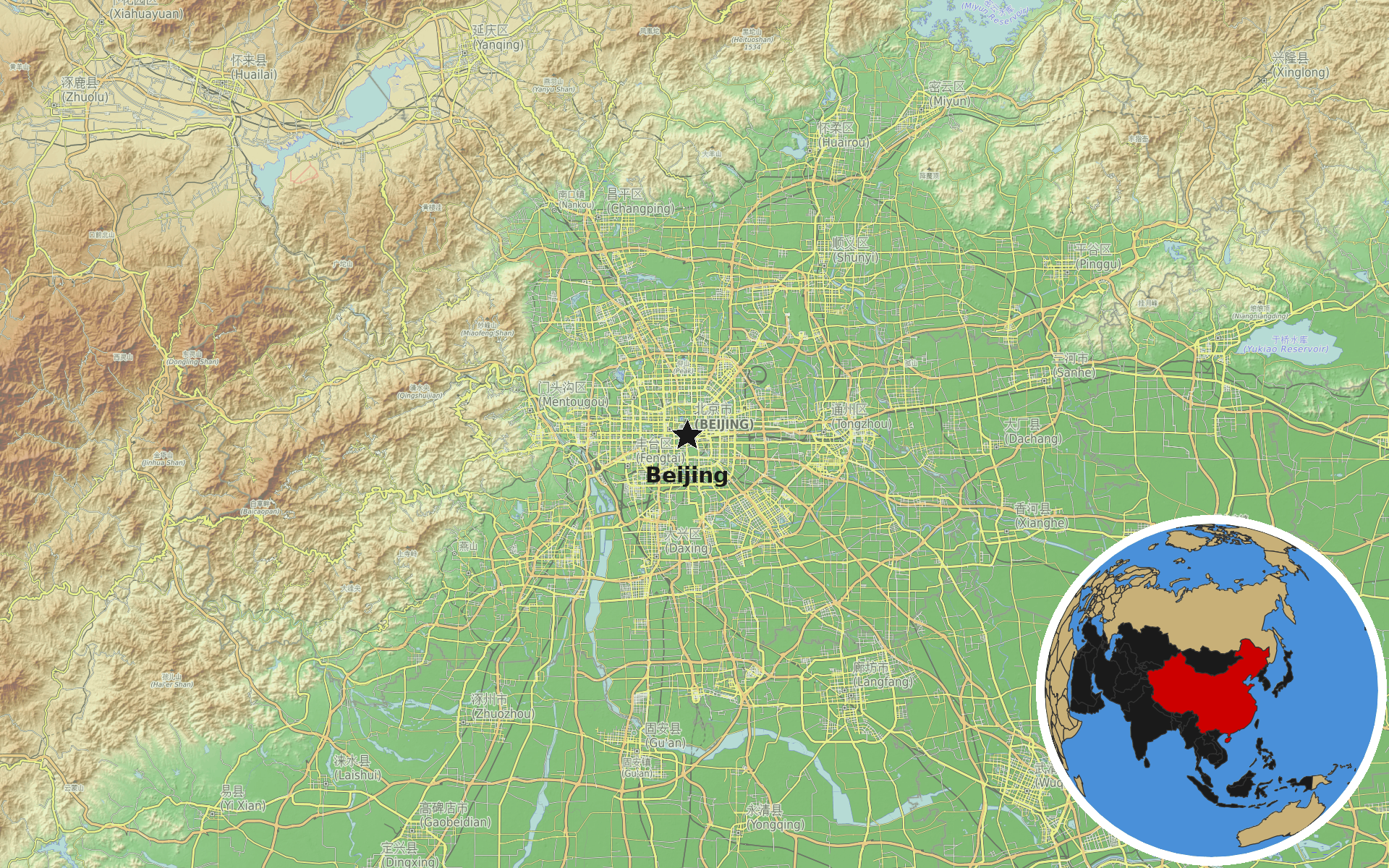
OpenTopoMap / Natural Earth – Beijing