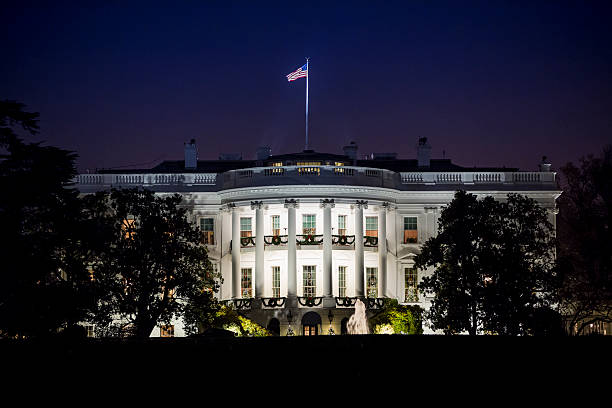
Trump blames high gasoline prices on domestic refinery closures and international conflicts
Trump attributes rising gasoline prices to domestic refinery closures in Democratic-led states and international conflicts, rather than shipping disruptions in the Strait of Hormuz.

WASHINGTON D.C. — Donald J. Trump attributed high gasoline prices to domestic refinery closures and international conflicts rather than shipping disruptions.
Here is the full post on truthsocial: “What’s driving up Gasoline is no longer the Strait of Hormuz, because Record Numbers of Barrels are coming out now on an almost daily basis, but the word, ”Refineries,“ where Russia‘s are being blown up by Ukraine, and where ours are being closed up, in Blue States, like California, by the Dumocrats. Trump” on October 5, 2026 at 12:32 PM ET.
This is Trump’s second message released today, and the last post was 11 hours ago, and it is not part of a thread. On average, Trump produces 17 posts per day since his inauguration on January 20, 2025. The move fits a broader pattern in Trump’s recent messaging, with 31 of his 347 posts over the last 30 days classified as Domestic Policy posts.
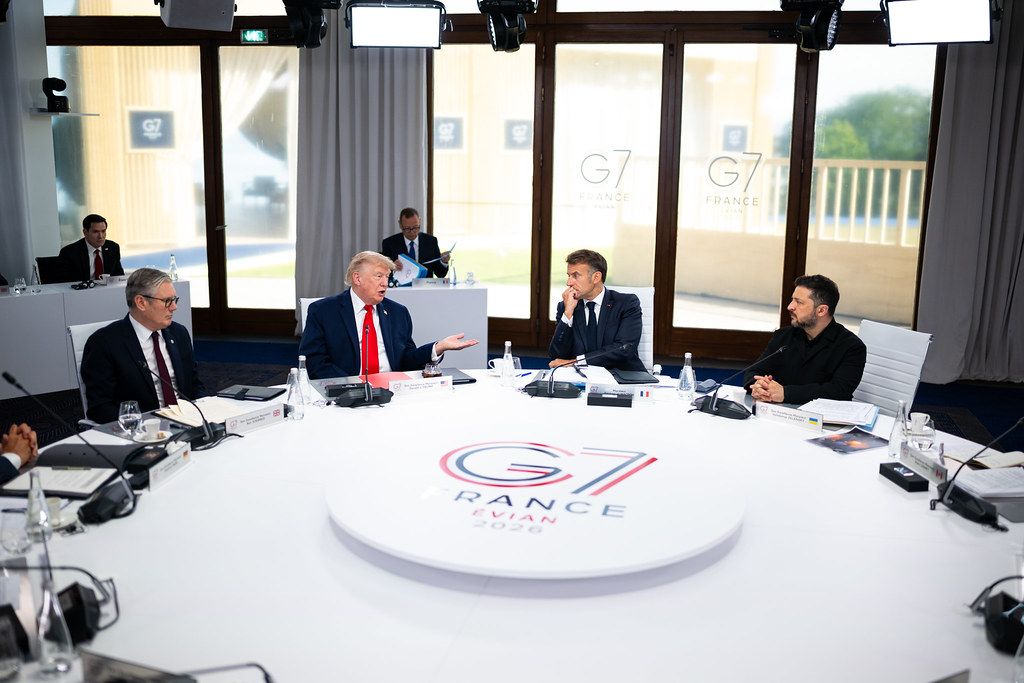

Donald J. Trump posted on social media from WASHINGTON D.C.
Daniel Torok / the White House
© copyright Flickr with permission
The remarks highlight ongoing debates over domestic energy policy and its economic impact. Trump’s commentary focuses on local refining capacity and environmental regulations in states like California.
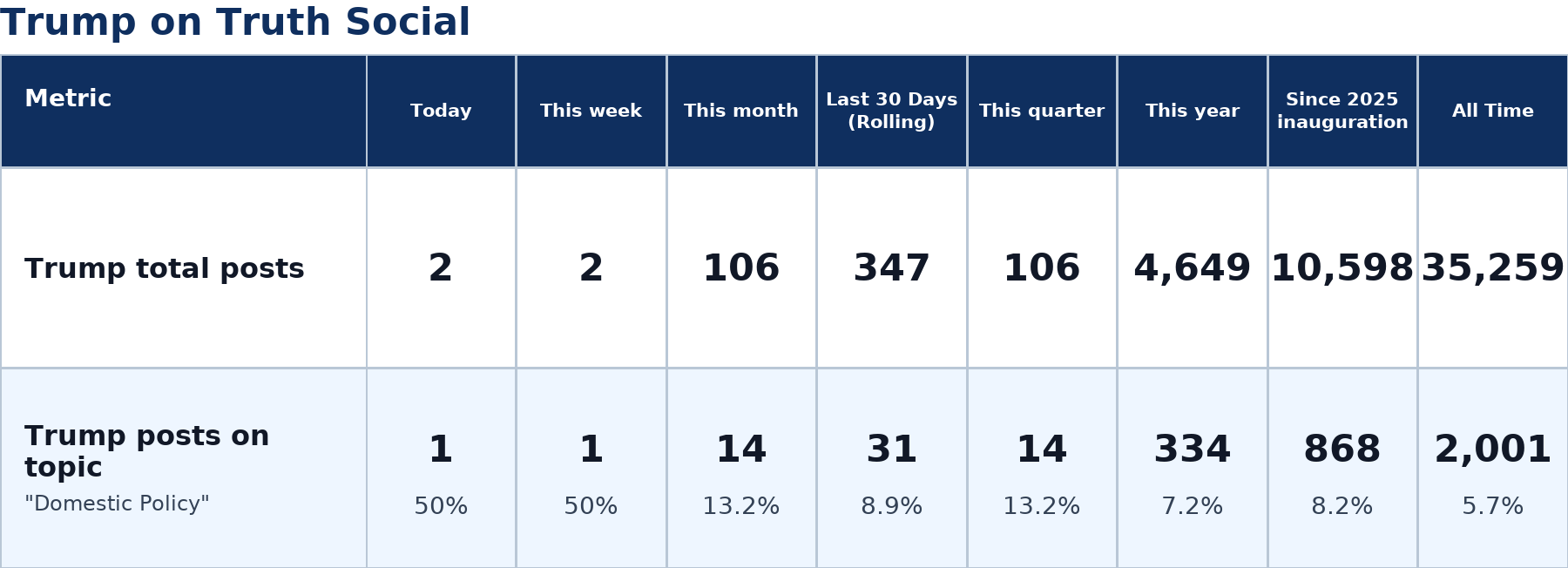
Zenger analysis
Photo by Zenger analysis
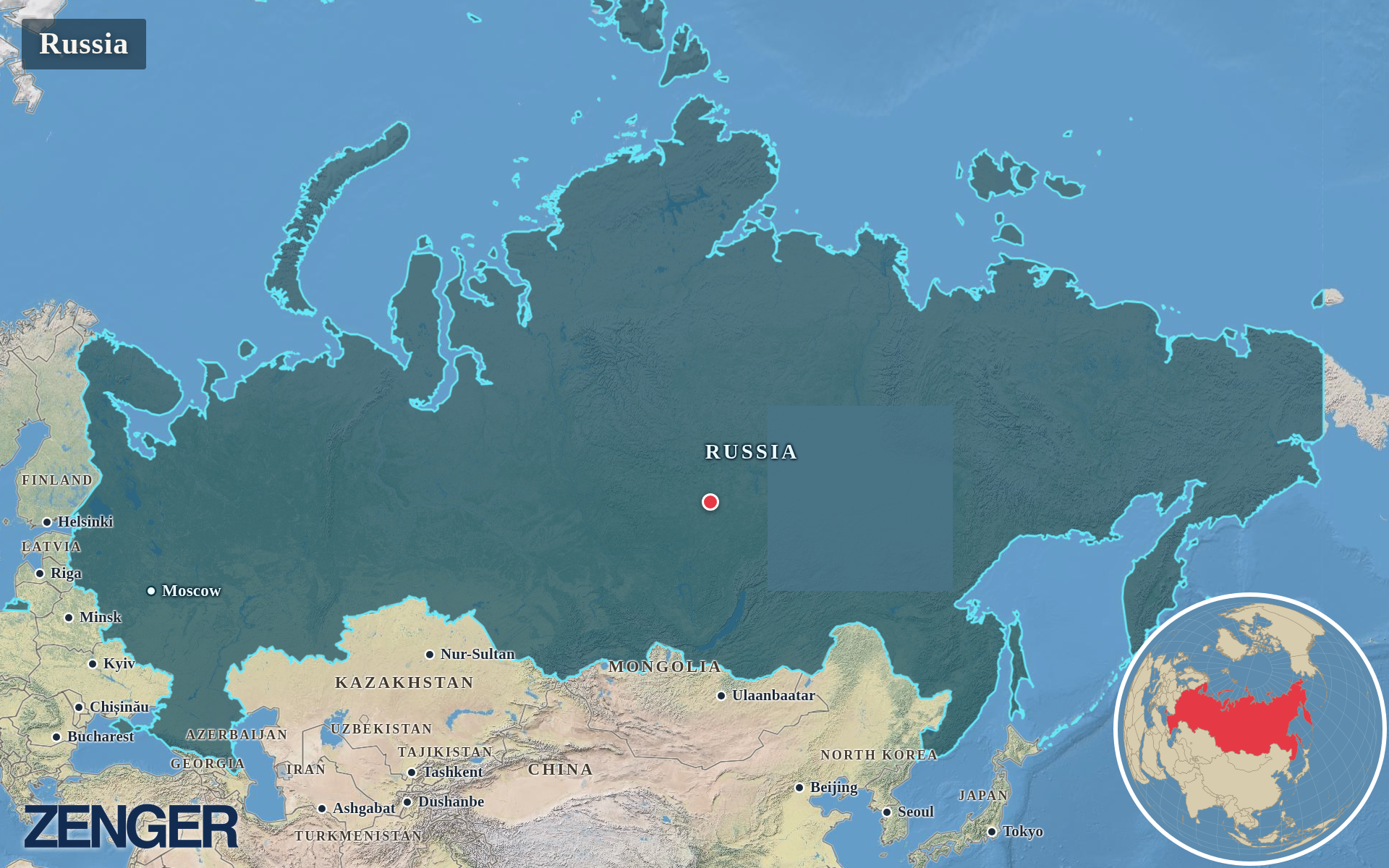
Protomaps / Natural Earth – Russia
Photo by Protomaps / Natural Earth – Russia
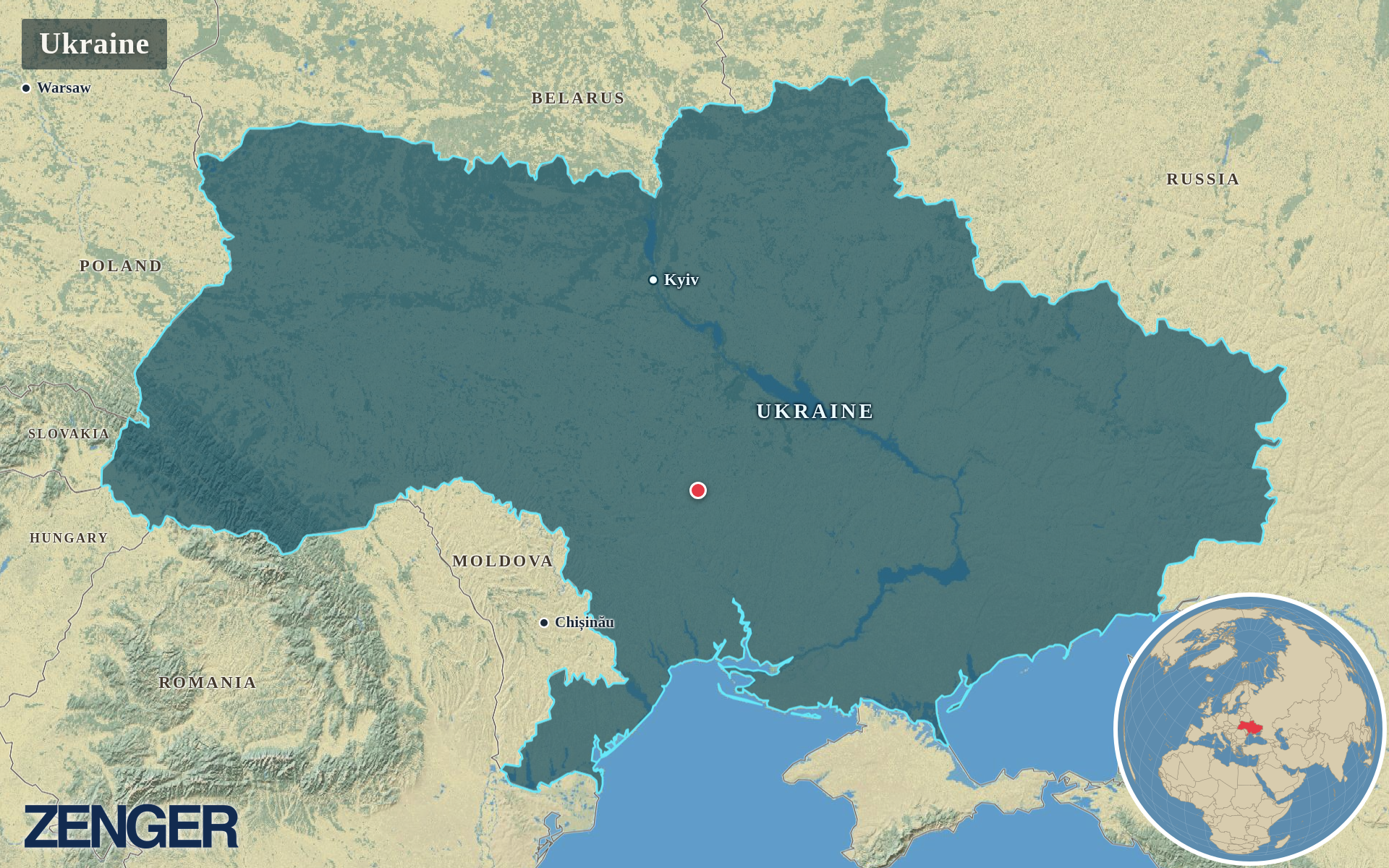
Protomaps / Natural Earth – Ukraine
Photo by Protomaps / Natural Earth – Ukraine
President Trump is the author of Trump: The Art of the Deal, Trump: Think Like a Billionaire: Everything You Need to Know About Success, Real Estate, and Life, and Think Big: Make It Happen in Business and Life. Analyst and Trump supporter Rod Martin points to The Art of the Deal, Trump's 1987 book, as an explanation of his deal-making philosophy: making big announcements, pivoting often in public statements and, Martin says, ultimately getting what he wanted all along. Critics contend that Trump's books were published decades ago or were aimed at making money, not shedding light. "Generally," Martin said, "critics don't read The Art of the Deal. If they did, they would understand."