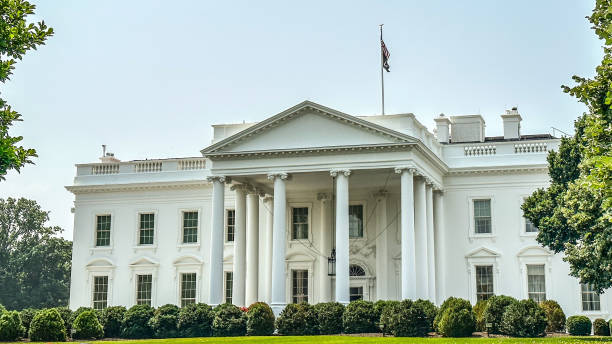
Trump presses Congress to pass the Save America Act after speech
Trump the president touted strong reviews and a big audience for his address, then urged lawmakers to move his signature domestic bill through Congress.
WASHINGTON D.C. — Donald Trump pressed Congress to pass what he called the Save America Act following an evening address.
Here is the full post on truthsocial: “Great reviews on speech last night. Big audience. Pass THE SAVE AMERICA ACT!!! Thank you! Trump”
The message, posted at 7:52 AM ET on July 17, 2026, paired praise for his prior speech with a direct call for legislative action. Trump did not detail the provisions of the bill, its sponsors, or a timeline for a vote. The post offered no chamber schedule and no roll-call target.
The stakes fall on the House and Senate, where any bill Trump backs must clear committee review and floor votes before reaching his desk. Supporters of the measure would gain a signature domestic win, while opponents could frame it as an overreach. Voters watching the legislative calendar would feel the effect only once a bill text and cost estimate become public.
Context remains thin because the president has not released bill language. Domestic policy has dominated a large share of his recent messaging. In the last 30 days, 59 of 493 Trump posts addressed domestic policy, according to a Zenger analysis of Truth Social posts. That share underscores how often the president uses the platform to steer the legislative agenda.
The phrase “great reviews” surfaces across unrelated corners of the web, from speech therapy clinics to public-speaking coaches. Client testimonials praise individual therapists for measurable progress, according to betterspeech.com. Parents describe steady speech development gains for young children, according to eatspeakbreatheslp.com. Those results have no connection to the legislation, yet they show how a common phrase can carry very different meanings.
Has this happened before? This has happened before. Trump has repeatedly used Truth Social to demand quick passage of named bills, tying each push to a recent event or speech. The pattern turns each post into a public scorecard for lawmakers.
The next decision rests with congressional leaders who control the floor schedule. A date for a vote on the measure has not been announced.
Presidential pressure on Congress through direct appeals is not new. Franklin D. Roosevelt used radio fireside chats beginning in 1933 to rally public support for New Deal legislation, and he signed 15 major laws in his first 100 days. Later presidents adopted television and, more recently, social media to reach voters over the heads of lawmakers. Each shift in medium expanded the reach of the same basic tactic, and each president who mastered the new channel gained leverage over a reluctant legislature.
NewsFindr Chart Maker
Zenger analysis

