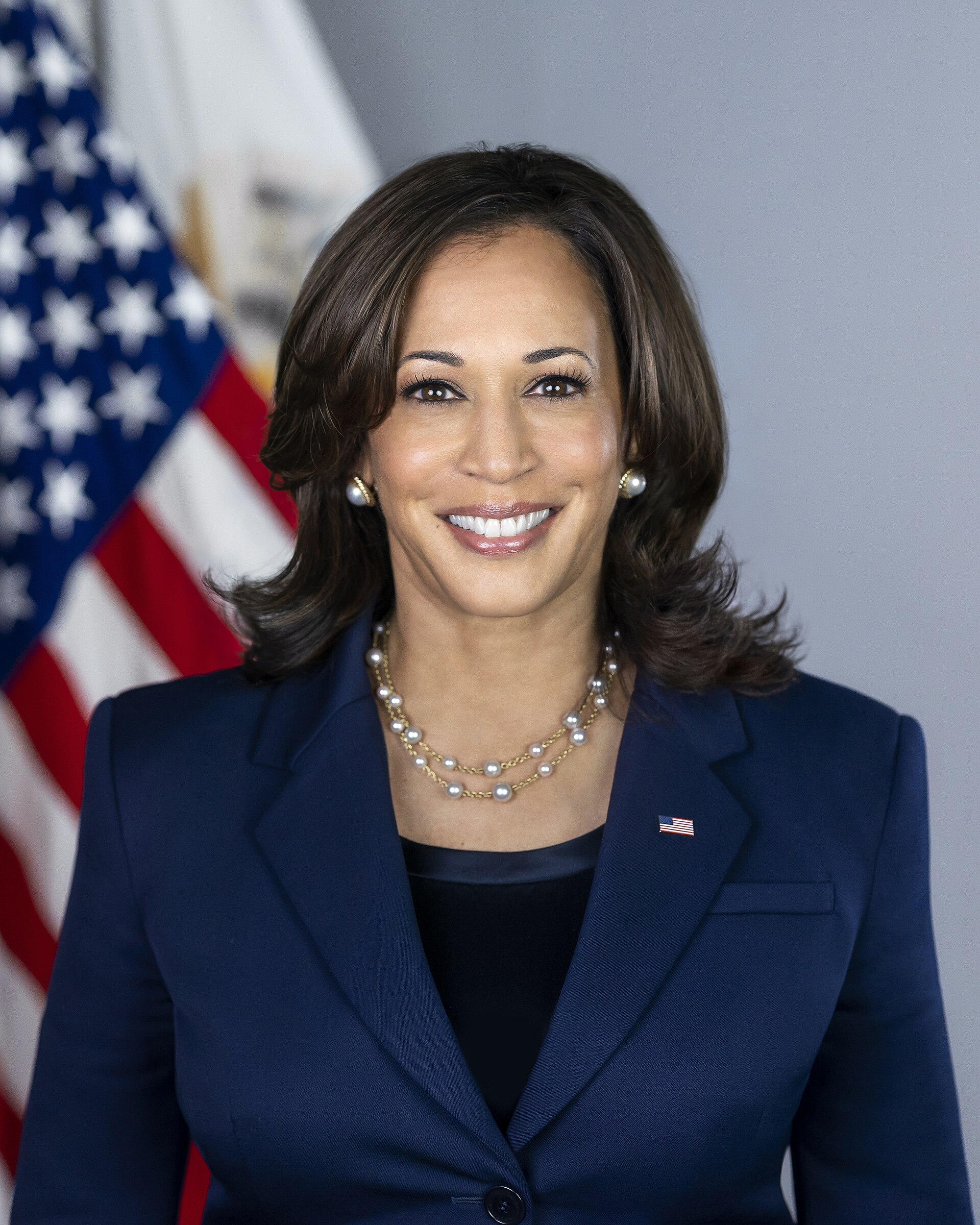
Kamala Harris takes center stage in national policy debate
Trump a Truth Social post cast the former vice president as the focus of a discussion on economic priorities, public safety and the future of the Democratic Party.
WASHINGTON D.C. — Kamala Harris moved to the center of a national policy debate over the economy, public safety and the Democratic Party’s direction.
The framing came in a post on Truth Social, the platform owned by Donald Trump's media company, published on July 17, 2026 at 7:00 AM ET (see truthsocial). The post named Trump, the White House and Washington, D.C., but those references supplied political context only. It focused on Harris, her public record and her role in the national political debate.
Harris, the former vice president and the 2024 Democratic presidential nominee, remains a defining figure for her party even after leaving office. The discussion tied her name to three issues that dominate domestic politics: economic priorities, public safety and the party’s path forward. No new policy proposal, event or announcement accompanied the framing.
The stakes fall on the Democratic Party as it weighs its direction and its leadership. A debate anchored on Harris benefits allies who want her to stay central to the party’s message. It carries risk for rivals who seek a clean break from the 2024 ticket. Trump, who returned to the White House after the 2024 election, gains a familiar foil by keeping Harris in the conversation.
Domestic policy is a recurring theme on the president’s feed. In the last 30 days, 59 of 493 Trump posts carried the topic “Domestic Policy,” according to a Zenger analysis of Truth Social activity.
For the average reader, the post signals which political figures and issues will shape the coming election cycle. The topics named — the economy and public safety — bear directly on household budgets and neighborhood conditions, and they frame how candidates will compete for votes.
Has this happened before? This has happened before. Trump has repeatedly kept Democratic rivals at the center of his public messaging, casting opponents as stand-ins for policies he opposes, a pattern visible across his Truth Social posts (see truthsocial).
The next decision on this issue rests with Harris and Democratic Party leaders, who must decide what role she plays going forward. A date for any such decision has not been announced.
Placing a rival at the heart of a policy fight is a long-running feature of American politics, as happened before. In the 1800 contest, Thomas Jefferson and Aaron Burr tied in the Electoral College with 73 votes each, throwing the choice to the House of Representatives, which took 36 ballots before choosing Jefferson in February 1801. The episode pushed Congress to adopt the 12th Amendment in 1804, separating the presidential and vice-presidential ballots. That reform reshaped how every later vice president, Harris among them, would reach and leave the second-highest office.
NewsFindr Chart Maker
Zenger analysis

