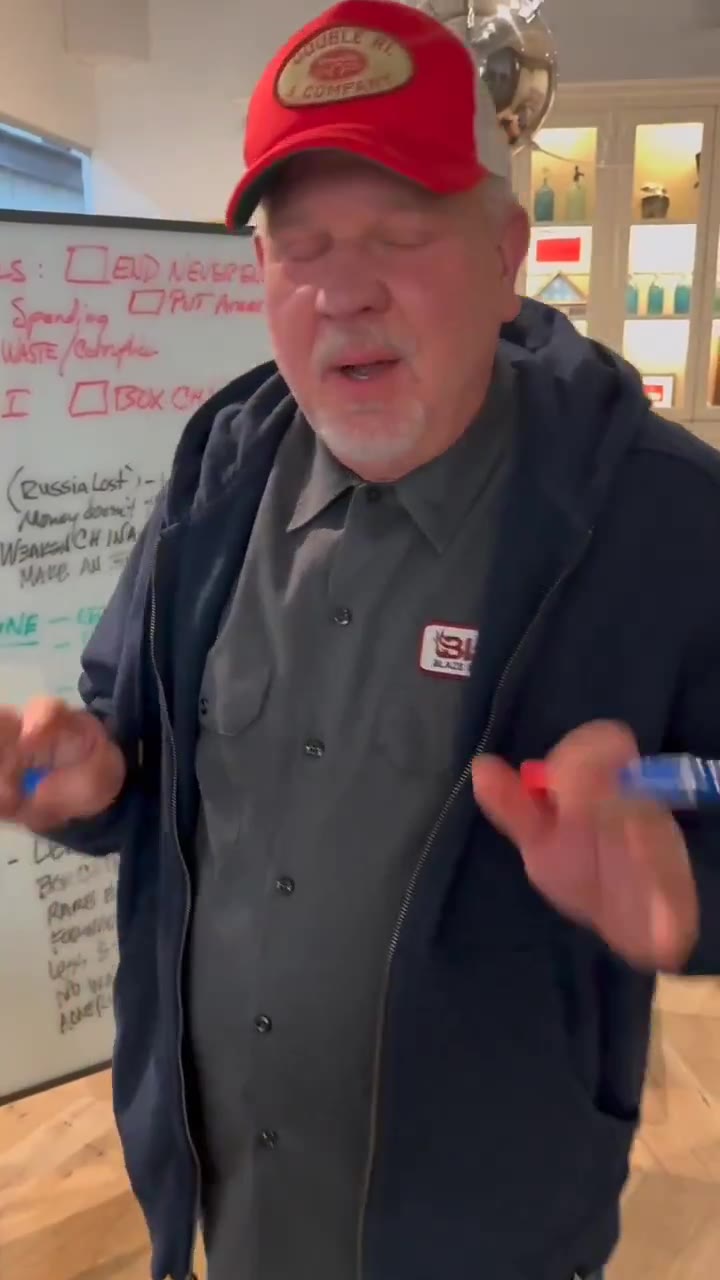

Trump shares video outlining strategy for rare earth minerals and foreign conflicts
Trump shared a Truth Social post containing two videos that discuss his geopolitical strategy regarding rare earth minerals, China, and overseas conflicts.

WASHINGTON D.C. — Donald J. Trump shared a video outlining his strategic goals to end foreign conflicts and secure critical rare earth minerals. The footage details a geopolitical approach focused on countering foreign dominance in the technology sector by treating these materials as a national security priority.
Here is the full post on truthsocial: “Truth Social post containing 2 videos. Video transcript Three. All right, I want to show you a chalkboard or a whiteboard here on the 3D or 4D chess that President Trump is playing. Nobody gets it. This guy is a genius and the EU just shot themselves in the foot.” on October 22, 2026 at 10:11 AM ET.
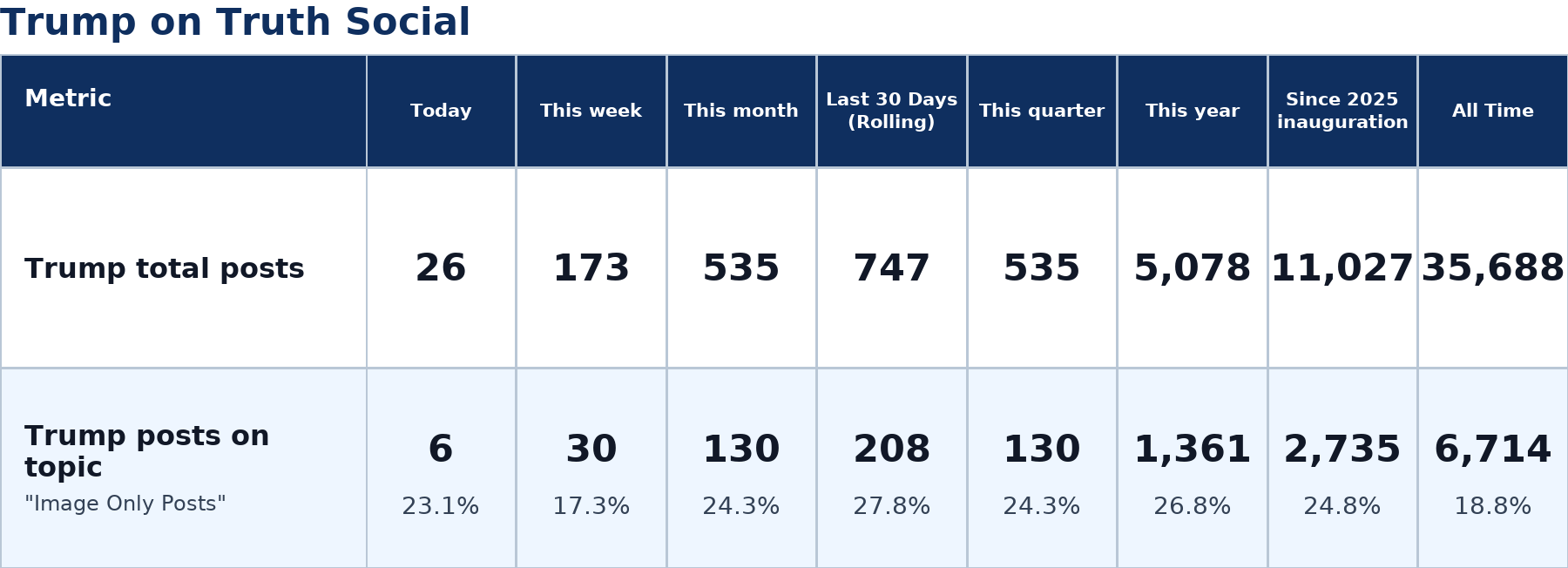
This is Trump’s 26th message released today, and the last post was 35 minutes ago, and it is not part of a thread. On average, Trump produces 17 posts per day since his inauguration on January 20, 2025. The move fits a broader pattern in Trump’s recent messaging, with 208 of his 747 posts over the last 30 days classified as Image Only Posts.
The shared video argues that the United States must reduce its reliance on China, which currently controls a significant majority of the global supply of these resources. The commentator suggests that leveraging American purchasing power for these materials could help resolve overseas disputes, specifically mentioning the ongoing conflict in Eastern Europe. By focusing on economic leverage rather than military intervention, the strategy aims to secure an independent supply chain for domestic technology needs while weakening the geopolitical ties between rival nations.

Zenger analysis
Photo by Zenger analysis
President Trump is the author of The Art of the Deal, Think Like a Billionaire, and Think Big. Analyst and Trump supporter Rod Martin points to The Art of the Deal, Trump's 1987 book, as an explanation of his deal-making philosophy: making big announcements, pivoting often in public statements and, Martin says, ultimately getting what he wanted all along. Critics contend that Trump's books were published decades ago or were aimed at making money, not shedding light. "Generally," Martin said, "critics don't read The Art of the Deal. If they did, they would understand."