Trump Spotlights Bessent Interview on Yen Intervention, Iran Talks
Trump promotes a CNBC interview in which Treasury Secretary Scott Bessent detailed the U.S.-Japan yen intervention, Iran negotiations and the Federal Reserve's inflation fight.

WASHINGTON D.C. — Donald J. Trump promoted a CNBC interview with Treasury Secretary Scott Bessent, the administration’s top economic official, spotlighting his remarks on currency intervention, Iran talks and inflation.
The interview aired on CNBC’s “Squawk Box” and ran 27 minutes, with Bessent addressing the U.S.-Japan yen intervention, what drove the U.S. to act, the Federal Reserve’s inflation fight and the state of the economy, according to cnbc.com. Bessent also discussed the latest developments in the U.S.-Iran negotiations during the sit-down with anchor Joe Kernen, according to cnbc.com.
Here is the full post on truthsocial: “Scott Bessent interviewed by Joe Kernen! https://www.cnbc.com/video/2026/08/04/watch-cnbcs-full-interview-with-treasury-secretary-scott-bessent.html” on August 5, 2026 at 12:35 AM ET.
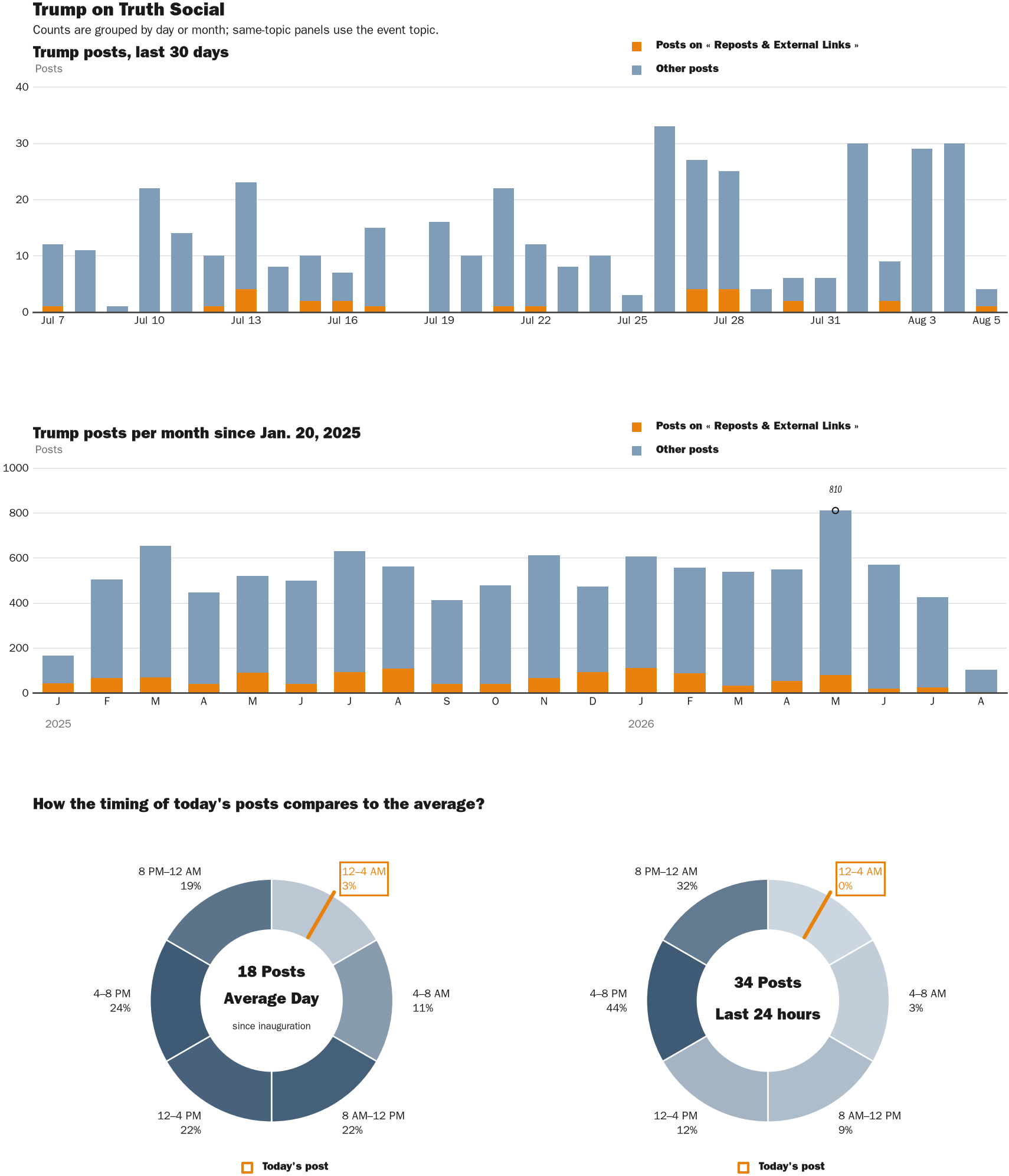
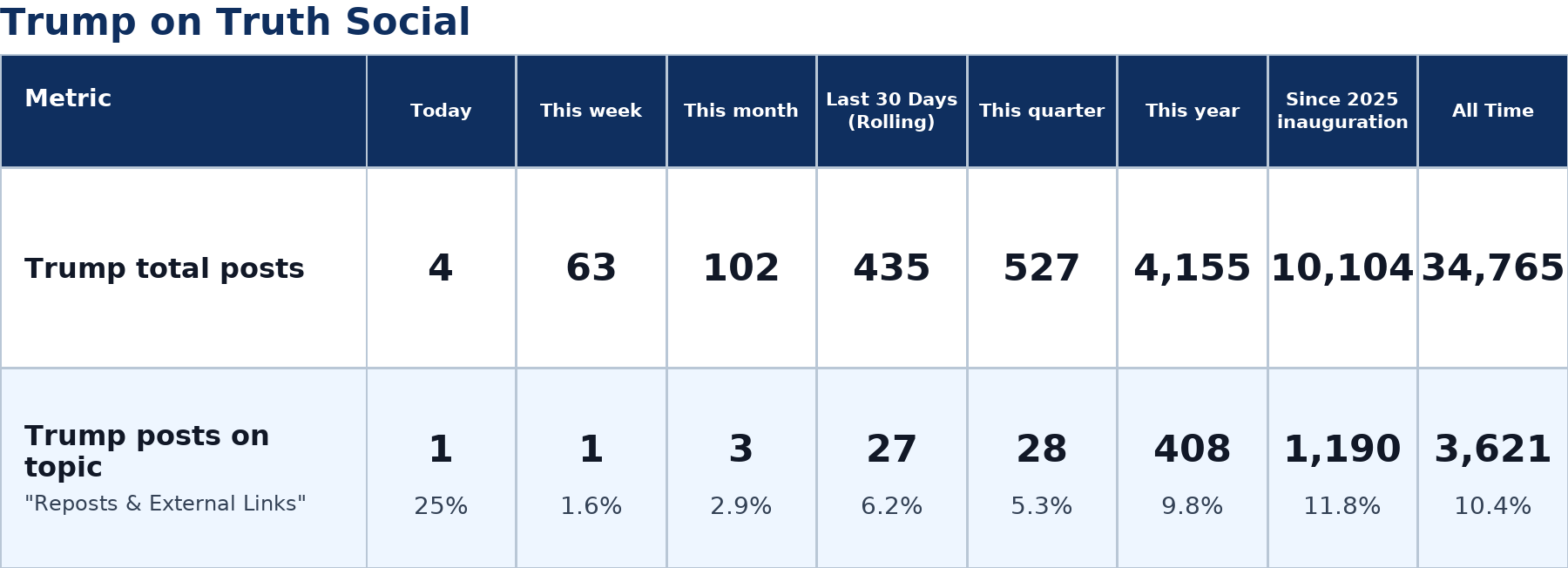
This is Trump’s fourth message released today, and the last post was 29 minutes ago, and it is not part of a thread. On average, Trump produces 18 posts per day since his inauguration on January 20, 2025. The move fits a broader pattern in Trump’s recent messaging, with 27 of his 435 posts over the last 30 days classified as reposts and external links.
Trump amplified the segment by mentioning the source (see cnbc), directing his audience to the full video hosted on the network’s website. The Treasury chief used the appearance to defend the intervention in currency markets, a rare tool that Washington deploys only when officials judge exchange-rate moves to be disorderly.
The stakes reach beyond financial desks. Currency intervention influences the price of imports, the competitiveness of U.S. exporters and the returns earned by American savers holding foreign assets. A stronger dollar tends to lower the cost of goods shipped from abroad, while a weaker dollar can lift the earnings of multinationals that sell overseas.
Bessent, a former hedge fund manager who built a career trading currencies, has become one of the most visible members of the Cabinet through frequent television appearances. He has used those platforms to explain the administration’s approach to trade, tariffs and the dollar to a broad audience of investors and voters.
The average American feels these debates at the checkout counter and in retirement accounts. Import prices, mortgage rates tied to Fed policy and the value of the dollar in travelers’ pockets all trace back to the topics Bessent covered in the interview.
This has happened before. Trump routinely promotes friendly interviews with his officials, and Bessent has appeared on financial networks repeatedly to carry the administration’s message on the economy. The pattern reflects a communications strategy that treats cable business programming as a direct channel to markets.
The next word on these policies rests with Bessent and the Federal Reserve, whose officials weigh interest rates at scheduled meetings. A specific date for the administration’s next major economic announcement has not been announced.
Treasury secretaries taking to the airwaves to steady markets is a tradition older than cable news. In 1985, officials from the United States, Japan, West Germany, France and Britain signed the Plaza Accord in New York, an agreement engineered to weaken the dollar after it had surged to record highs. Within two years the dollar fell roughly 40 percent against the yen and the mark, reshaping global trade balances. The finance chiefs who brokered that deal were later credited with proving that coordinated intervention could bend currency markets to policy goals.

NewsFindr Chart Maker
Photo by Zenger real-time database of all Truth Social posts.
Zenger analysis
Photo by Zenger analysis
Protomaps / Natural Earth – Iran
Photo by Protomaps / Natural Earth – Iran
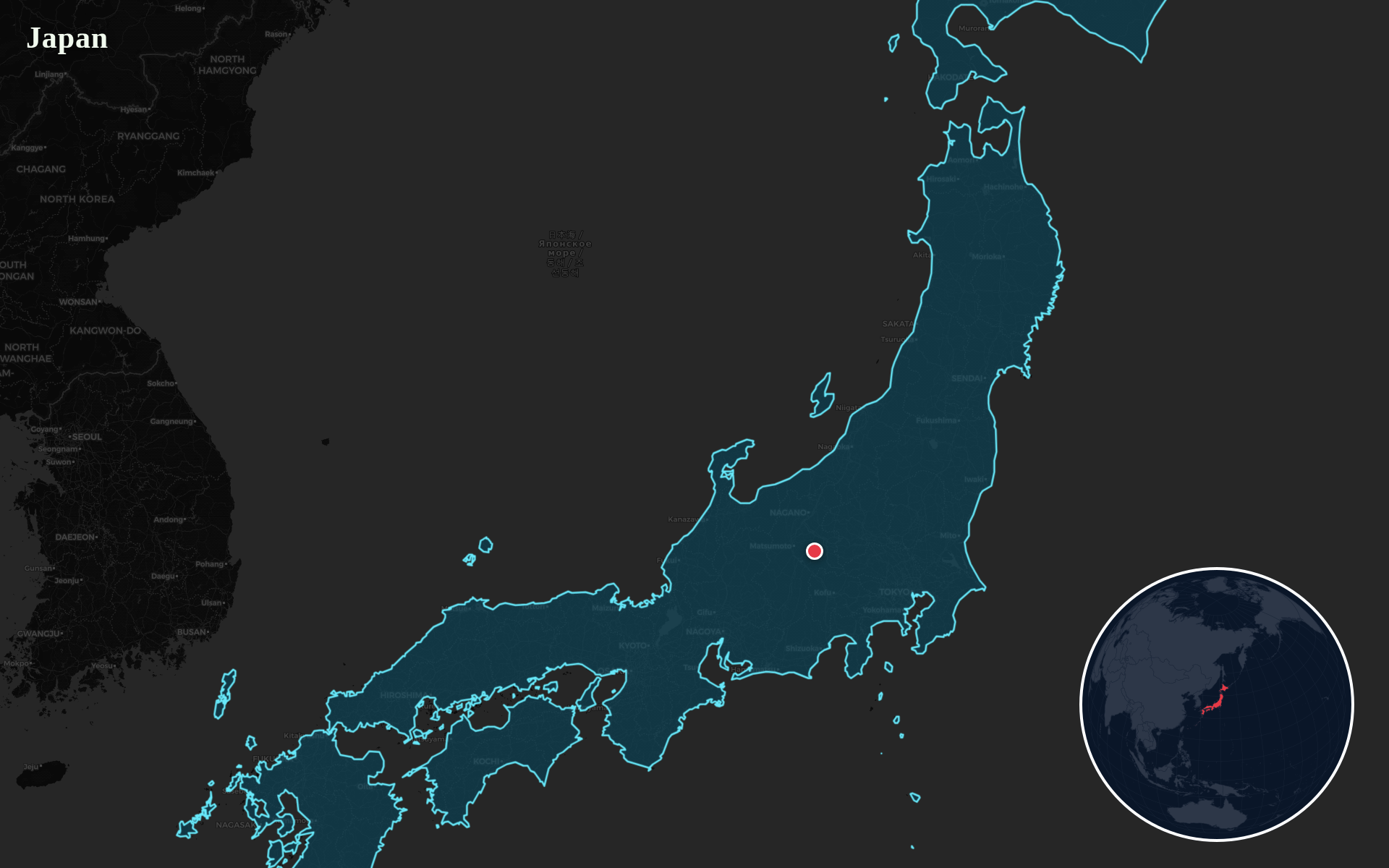
Protomaps / Natural Earth – Japan
Photo by Protomaps / Natural Earth – Japan
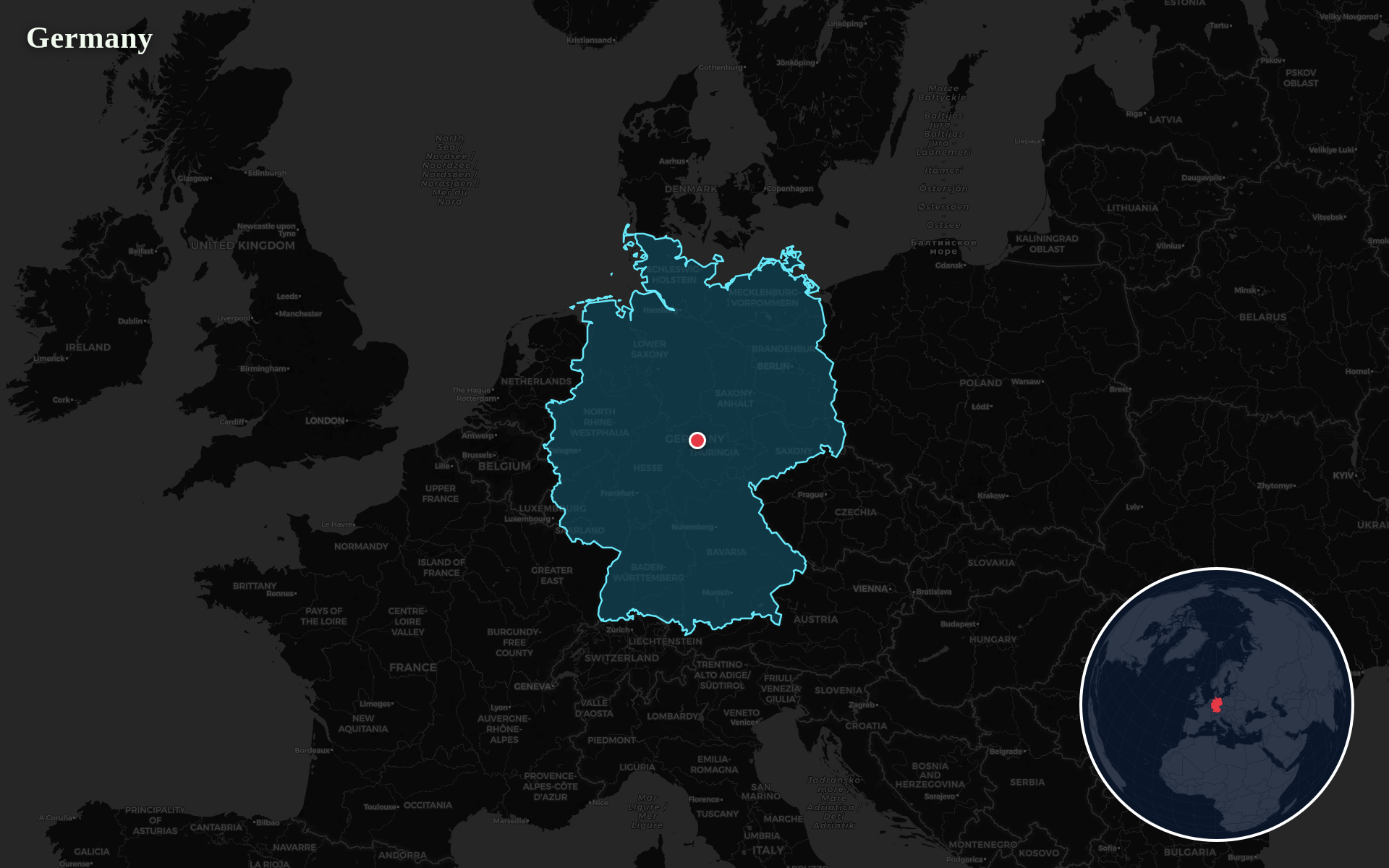
Protomaps / Natural Earth – Germany
Photo by Protomaps / Natural Earth – Germany
Protomaps / Natural Earth – France
Photo by Protomaps / Natural Earth – France