Trump Vows Seized Iranian Money Will Cover Damage to Ships and Cargo
Trump declares that funds the United States holds and controls will pay for any harm done to vessels and their cargo, calling the arrangement fair and equitable.

WASHINGTON D.C. — Donald J. Trump said seized Iranian funds held by the United States will pay for any damage inflicted on ships, cargo, or related property, tying frozen assets to maritime losses.
The statement offered no dollar figure, no named vessels, and no legal mechanism, though Trump acknowledged the cost could be steep. “These damages may be very substantial,” he wrote, framing the plan as the “fair and equitable thing to do.”
“Please let this statement serve to represent, until further notice, that from this point forth, any and all damages done to Ships, Cargo, or anything related thereto, will be paid for by Iranian Money that the United States has in its possession, and controls,” Trump said in the post.
Here is the full post on Truth Social: “Please let this statement serve to represent, until further notice, that from this point forth, any and all damages done to Ships, Cargo, or anything related thereto, will be paid for by Iranian Money that the United States has in its possession, and controls. These damages may be very substantial but, nevertheless, this is the fair and equitable thing to do. Thank you for your attention to this matter! Trump” on July 23, 2026 at 6:04 PM ET.
This is the first message released by Trump today. On average, Trump produces about eight posts per day since his inauguration on January 20, 2025.
The move fits a broader pattern in Trump’s recent messaging, with 61 of his 445 posts over the last 30 days focused on foreign policy.
The stakes fall heaviest on Iran, whose blocked assets Trump would tap to reimburse shipowners and cargo holders. Commercial carriers and their insurers stand to benefit if a public backstop covers losses that would otherwise be litigated for years. Tehran would lose control of money it has long sought to recover.
The United States has held Iranian assets frozen under sanctions for decades, and courts have repeatedly weighed whether such funds can compensate victims. In 2016, the Supreme Court upheld a law allowing roughly $2 billion in frozen Iranian central bank assets to pay families of Americans killed in attacks linked to Tehran, according to supremecourt.gov. That precedent established that Congress can direct blocked foreign assets toward compensation.
The phrasing echoes Trump’s earlier use of the same opening formula in trade disputes. In June 2026, he threatened a 100% tariff on any country that imposes a digital services tax on American technology companies, writing “Please let this statement serve to represent” that such duties would take effect immediately, according to pbs.org. Roughly half of European members of the Organisation for Economic Co-operation and Development have proposed or adopted a digital services tax, according to cbsnews.com.
For the average American, the pledge could shield the cost of maritime disruptions from taxpayers if seized foreign money absorbs the bill rather than federal appropriations. Shipping delays and higher insurance premiums ripple into the price of imported goods, from fuel to consumer electronics.
This has happened before. Frozen Iranian money has funded court judgments and settlements tied to terrorism claims for years, and successive administrations have used sanctions authority to hold Tehran’s assets in reserve, according to themedialine.org.
The next decision rests with the Treasury Department and the courts, which would determine whether specific damages qualify and which blocked accounts could be drawn down. A date for any such determination has not been announced.
Seizing enemy assets to settle grievances is not new to the American playbook. During World War I, the Office of Alien Property Custodian took control of more than $500 million in German-owned property, redirecting factories and patents to domestic use, according to britannica.com. After the 1979 hostage crisis, President Jimmy Carter froze about $12 billion in Iranian assets, and the resulting Algiers Accords created a claims tribunal at The Hague that still adjudicates disputes decades later. Each freeze reshaped the leverage of the president who ordered it, binding future negotiations to money the other side could no longer touch.
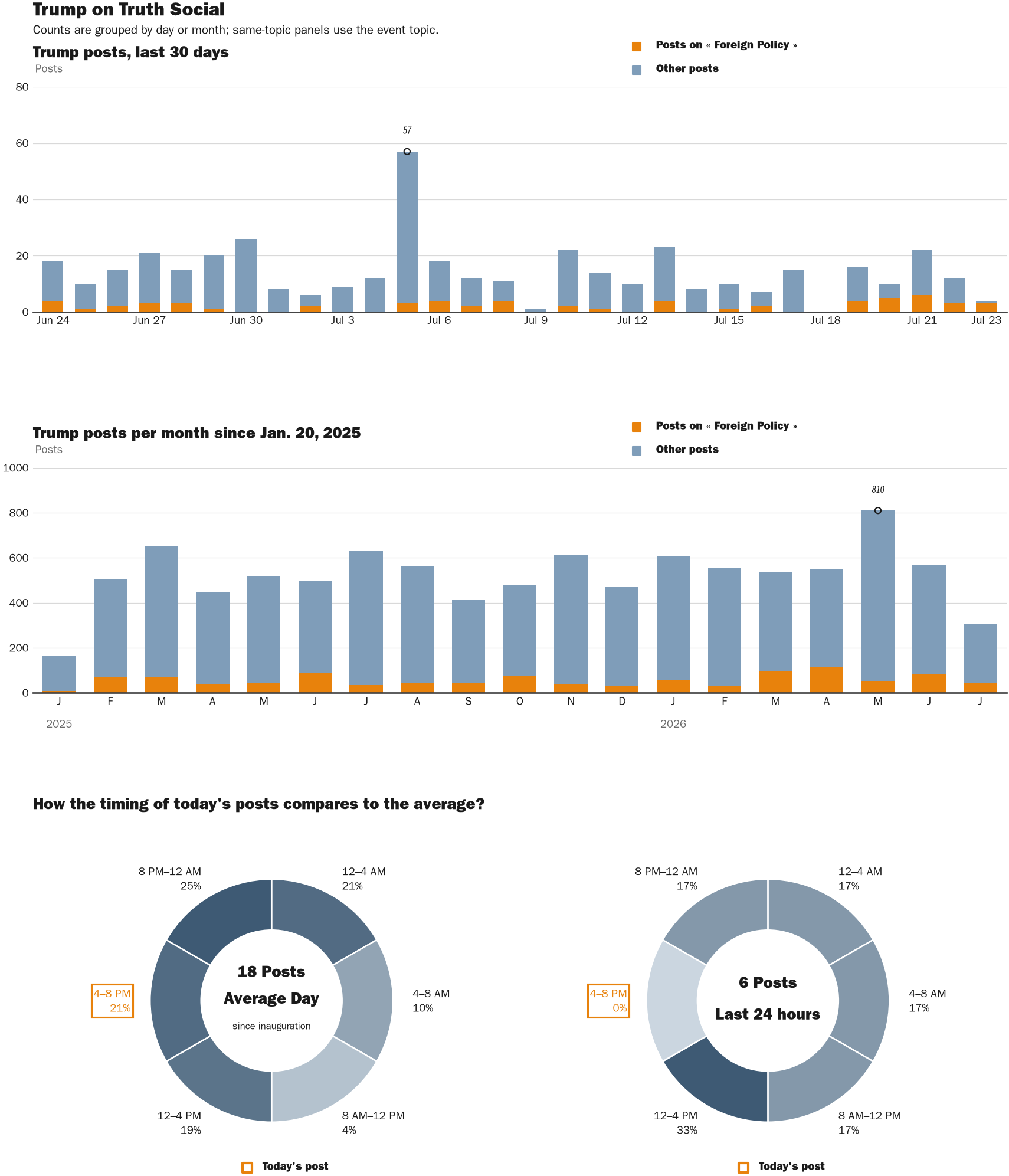

NewsFindr Chart Maker
Photo by Zenger real-time database of all Truth Social posts.
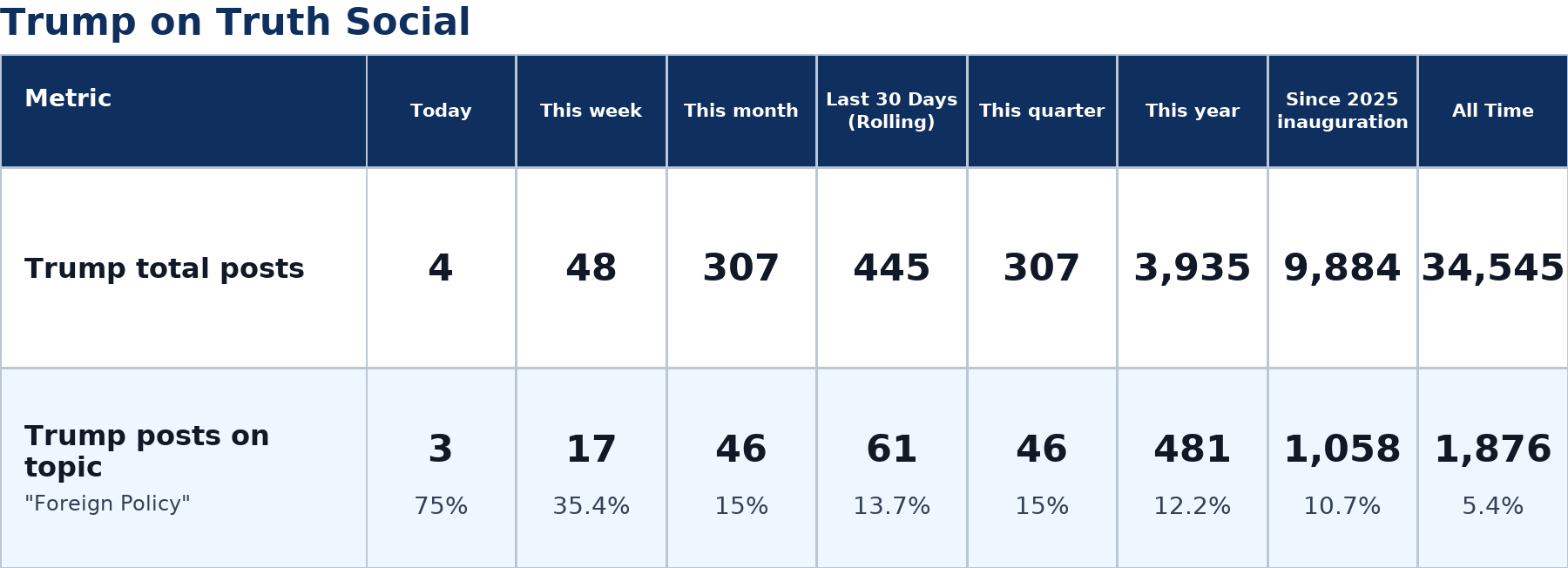
Zenger analysis
Photo by Zenger analysis
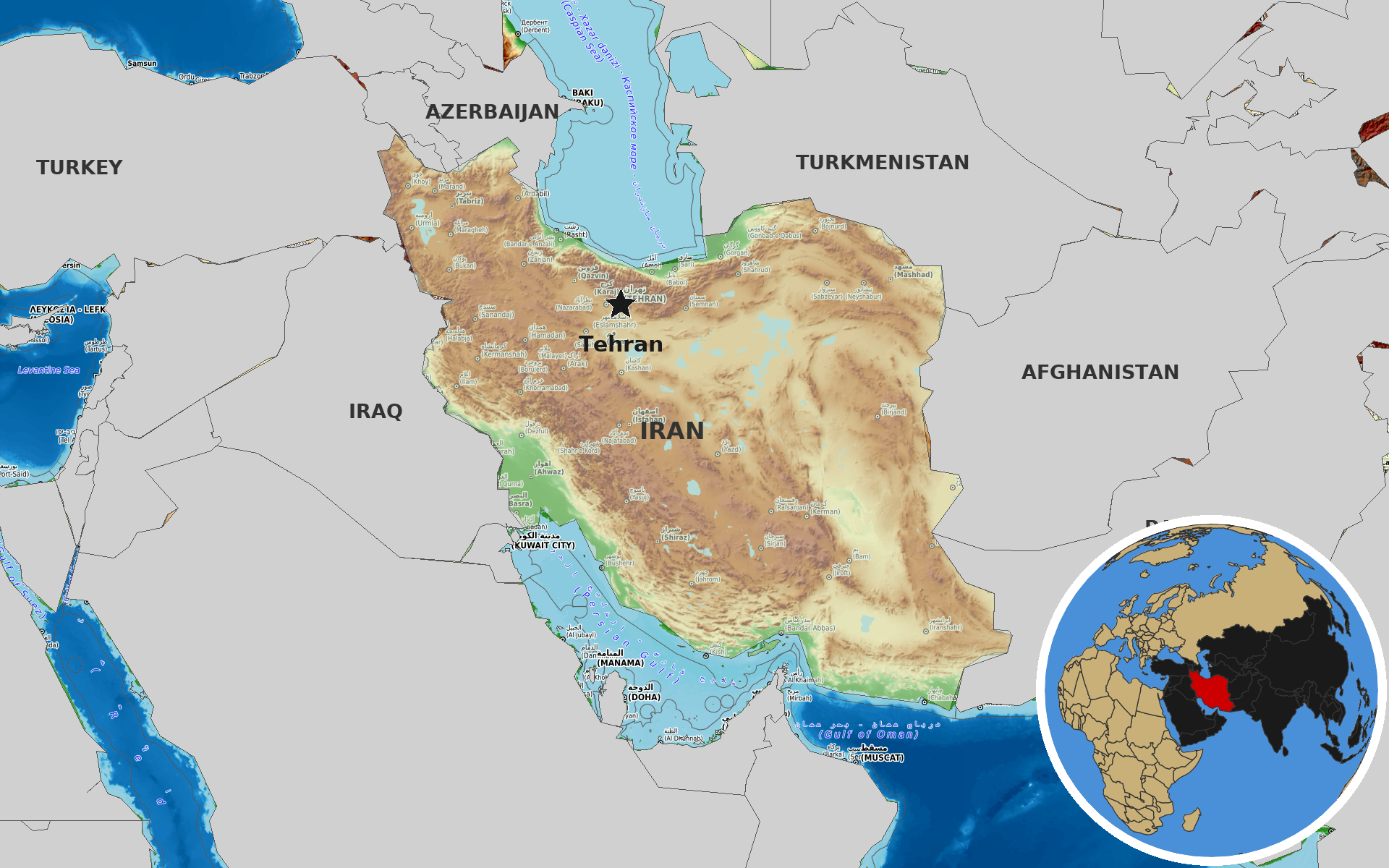
OpenTopoMap / Natural Earth – Iran
Photo by OpenTopoMap / Natural Earth – Iran