Lockheed Wins $24.8 Million Navy Deal for Low-Cost Radar Arrays
The Syracuse, New York, defense contractor received a fixed-price incentive award to produce lightweight conformal arrays, with work running through May 2029 under a sole-source Navy contract.

SYRACUSE, NEW YORK — Lockheed Martin Corp., the largest U.S. defense contractor by sales, won a $24.8 million Navy contract to build lightweight, low-cost conformal radar arrays, the Defense Department said.
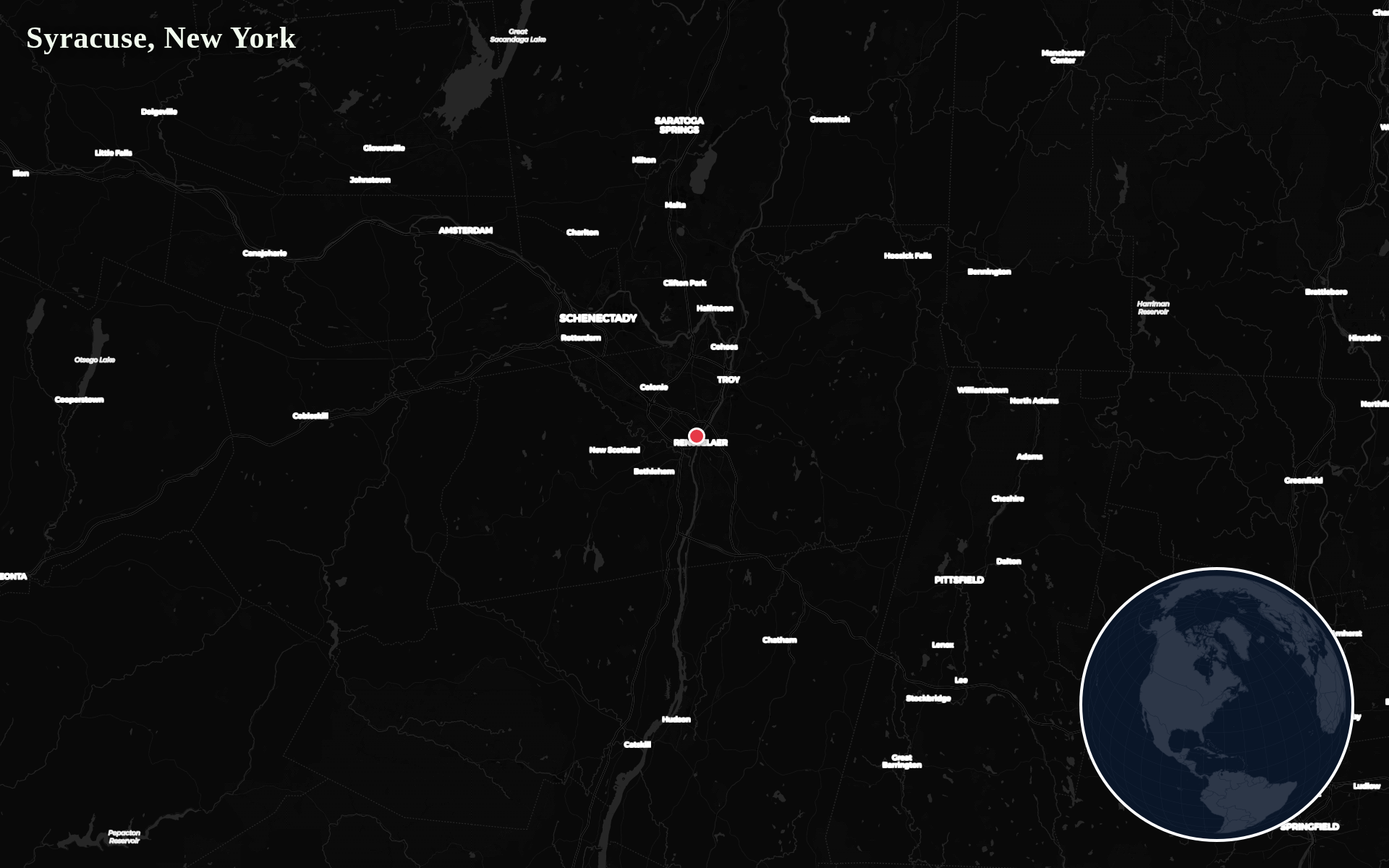
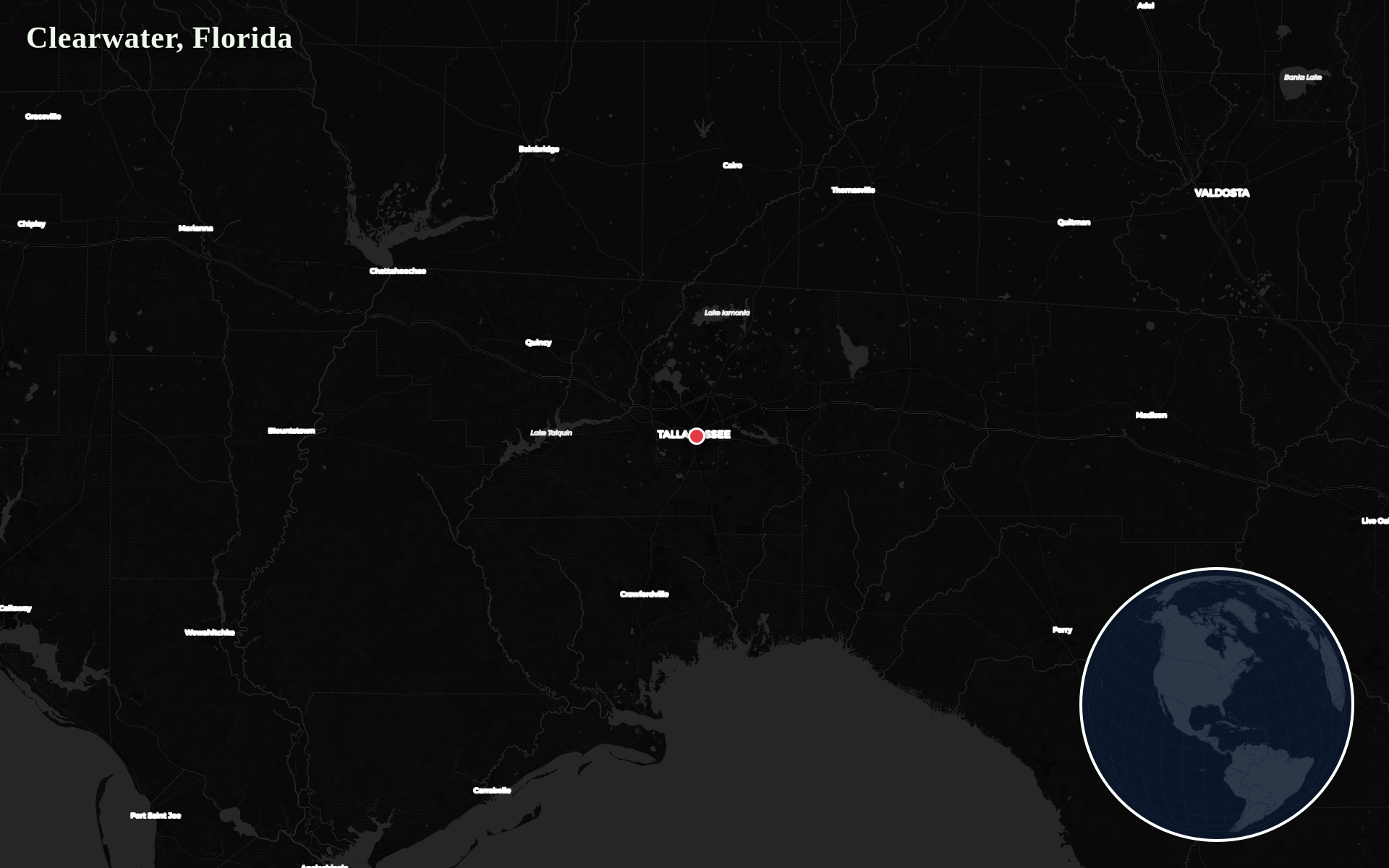
The fixed-price incentive undefinitized contract action covers production of the arrays, with work expected to finish by May 2029, as announced on war.gov. Syracuse, New York, will handle 70% of the work, La Mesa, Mexico, 20%, and Clearwater, Florida, the remaining 10%.
Naval Sea Systems Command, based in Washington, D.C., obligated funds from three sources at the time of award, according to war.gov. Fiscal 2026 other procurement funds provided $11.4 million, or 61%, shipbuilding and conversion funds added $5.7 million, or 31%, and research and development funds supplied $1.46 million, or 8%. None of the obligated money expires at the end of the current fiscal year.
The Navy did not open the work to competition. The contracting activity cited 10 U.S. Code 3204(a)(1), the exception that permits a sole-source award when only one responsible source can satisfy the requirement, according to war.gov. The award carries the contract number N00024-26-C-6104.
Conformal arrays sit flush against a surface such as a ship’s hull or an aircraft’s skin, rather than protruding as a traditional radar dome. The Navy’s push for lightweight, low-cost versions reflects a broader effort to field sensors that reduce weight and radar signature while holding down unit costs across the fleet.
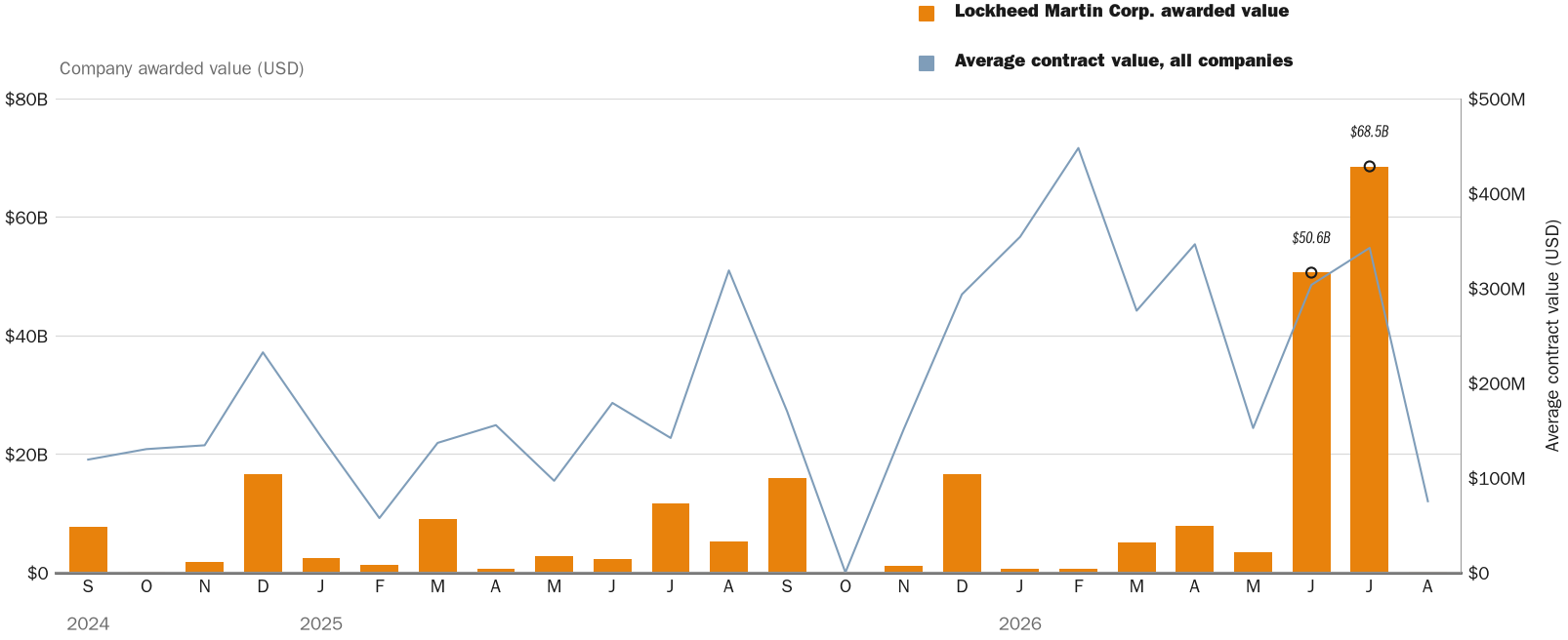
The award represents a small share of Lockheed Martin’s business. The company reported net sales of $71 billion in 2024, according to lockheedmartin.com, placing this contract at roughly three-hundredths of a percent of its annual revenue. For Syracuse, however, the deal sustains skilled radar-manufacturing jobs at a site tied to the company’s Rotary and Mission Systems unit.
For the average U.S. reader, the contract shows how defense procurement channels tax dollars into specialized manufacturing hubs. Work spread across New York, Florida, and Mexico illustrates the cross-border supply chains that underpin modern weapons systems, even as sole-source awards limit competition on price.
Undefinitized contract actions like this one have happened before across Navy programs. The structure lets work begin before final terms are settled, a practice the Defense Department uses when schedule pressure outweighs the risk of an unfinished price agreement. Auditors have long flagged such actions for cost-control concerns, yet the Navy continues to use them for urgent production needs.
Naval Sea Systems Command will next decide the definitized terms that convert the undefinitized action into a fixed price. A date for that decision has not been announced.
Sole-source radar work has anchored Syracuse for generations, as has happened before. General Electric built military electronics in the city through the Cold War, and Lockheed Martin absorbed that legacy after its 1996 acquisition of the Loral Federal Systems radar operations, according to lockheedmartin.com. The site has since produced the SPY-1 and follow-on radars that guide the Navy’s Aegis combat system, keeping central New York a fixture in naval sensor production for more than half a century.

NewsFindr Chart Maker
Photo by NewsFindr Chart Maker
Protomaps / Natural Earth – Syracuse, New York
Protomaps / Natural Earth – Clearwater, Florida