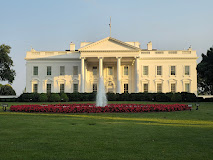
Cyprus Energy Minister Calls Trump Engagement “Vital” to Future of the West
Trump amplifies a Cyprus government claim that his push on energy security is fundamental as Chevron and Exxon-Mobil move to tap 20 trillion cubic feet of East Med gas.

WASHINGTON D.C. — Donald J. Trump promoted a claim from Cyprus’s top energy official that his push on energy security is “vital” to the future of the West, sharing an exclusive interview by mentioning the source (see breitbart).
Michael Damianos, the Minister of Energy, Commerce, and Industry for the Republic of Cyprus, made the assessment as American companies mobilize to extract natural gas discovered in the island’s waters, according to breitbart.com. The Mediterranean island, the closest European Union member to the Middle East, has identified roughly 20 trillion cubic feet of reserves.
“I believe that President Trump’s involvement in this is vital, and I think the mark is there already, and we are delighted that we’re able to work with this administration,” Damianos said in the interview conducted during his June visit to the United States, according to breitbart.com.
Here is the full post on Truth Social: “Exclusive — Cyprus Energy Minister: Trump’s “Energy Security” Engagement “Vital” to Future of West: https://www.breitbart.com/politics/2026/07/22/exclusive-cyprus-energy-minister-trumps-energy-security-engagement-vital-to-future-of-west/” on July 22, 2026 at 9:40 PM ET.
This is the first message released by Trump today. On average, Trump produces about 5 posts per day since his inauguration on January 20, 2025.
The move fits a broader pattern in Trump’s recent messaging, with 62 of his 455 posts over the last 30 days focused on foreign policy.
The stakes reach beyond Cyprus. Chevron, the second-largest U.S. oil company, operates the Aphrodite field, while Exxon-Mobil, the largest U.S. oil company by revenue, holds the Pegasus and Glaucus fields, according to breitbart.com. The reserves could power Cyprus for centuries and supply electricity to Europe, Israel, and Egypt, giving American firms a foothold in a market long dominated by Russian and Middle Eastern suppliers.
Damianos framed his country as a dependable ally. “The U.S. can rely on us. We are an EU country, a small country, a democratic country in the area that can support the interests of our partners,” he said, according to breitbart.com. He pointed to the so-called 3+1 partnership linking Greece, Israel, Cyprus, and the United States as central to regional energy and security cooperation.
The Eastern Mediterranean has become a contested energy frontier. Cyprus remains divided, with Greek Cypriots controlling the internationally recognized Republic of Cyprus and Turkish occupants controlling the north. Damianos said his Greek counterpart, Environment and Energy Minister Stavros Papastavrou, described Trump’s “trademark move” as using energy policy to advance shared economic interests, according to breitbart.com.
For the average U.S. reader, expanded East Med gas production offers American energy firms new revenue and could ease European reliance on adversarial suppliers, a shift that influences global fuel prices consumers pay at home.
This has happened before. Trump has repeatedly cast oil and natural gas as instruments of American influence, and he earlier posted the Breitbart interview with the Greek energy minister on the same subject, according to breitbart.com. His administration has treated energy dominance as a recurring theme of its foreign policy.
The next steps rest with Cyprus and its corporate operators, who are advancing exploration in fields such as Aphrodite and Pegasus at what Damianos called a “fast pace.” A specific date for the next production milestone has not been announced.
Energy has shaped the fate of the Eastern Mediterranean before. Cyprus won independence from Britain in 1960 after decades of colonial rule, then split in 1974 when Turkish forces occupied the north following a coup. Chevron and Exxon both trace their origins to John D. Rockefeller’s Standard Oil, which the U.S. Supreme Court broke into 34 companies in 1911. More than a century later, those same corporate descendants now drill beneath waters that could redraw the region’s economic map.
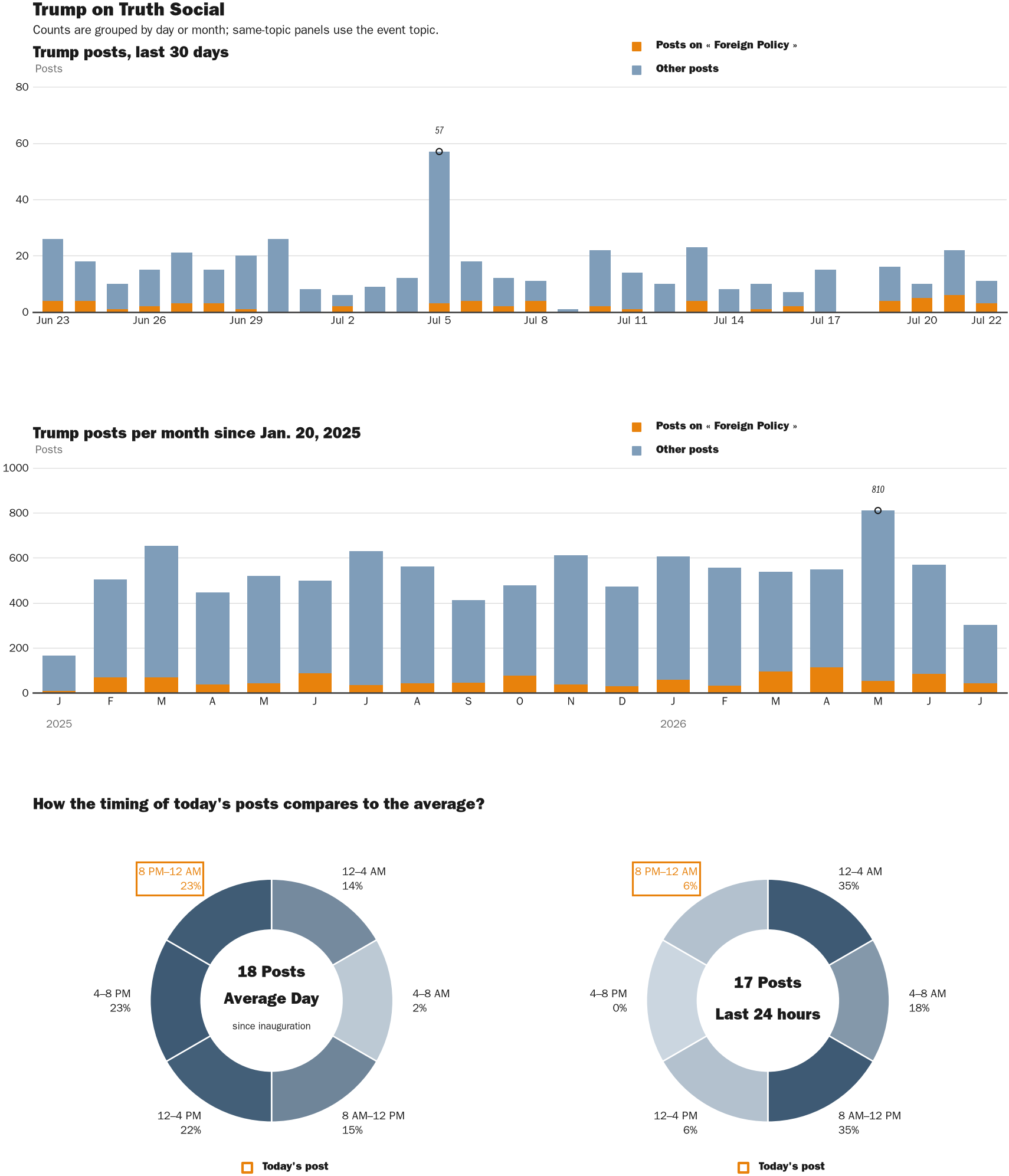

NewsFindr Chart Maker
Photo by Zenger real-time database of all Truth Social posts.
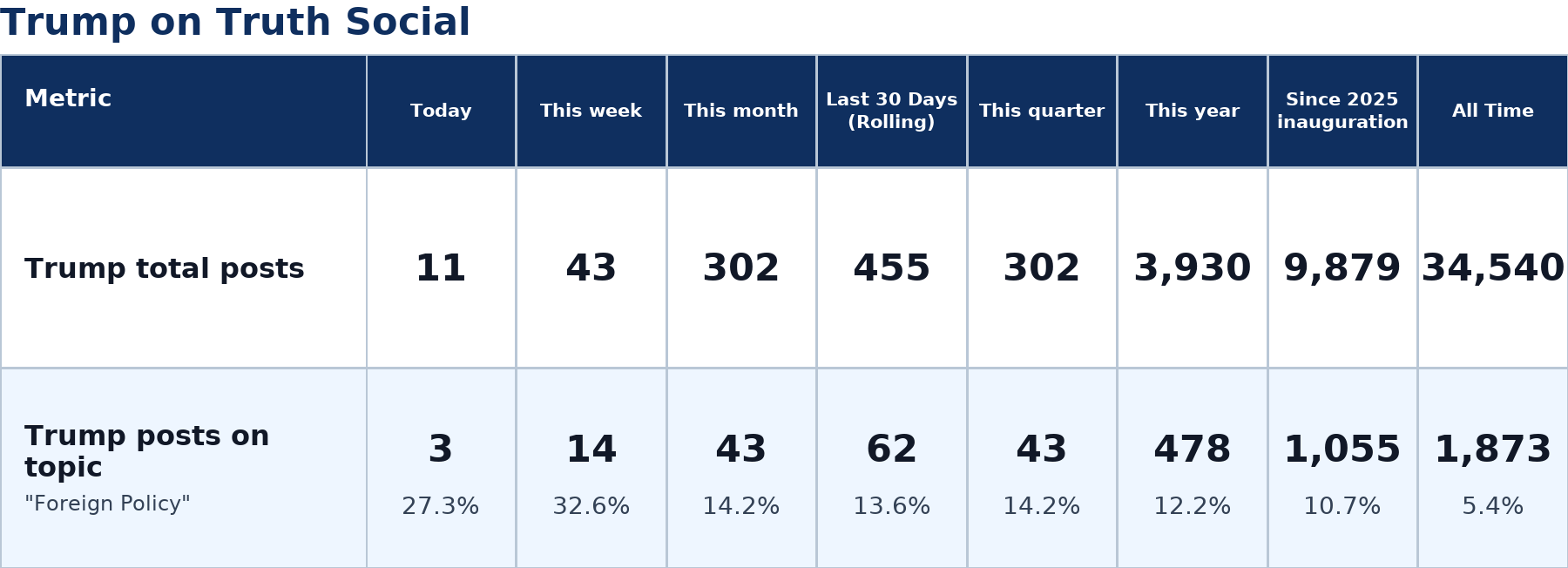
Zenger analysis
Photo by Zenger analysis
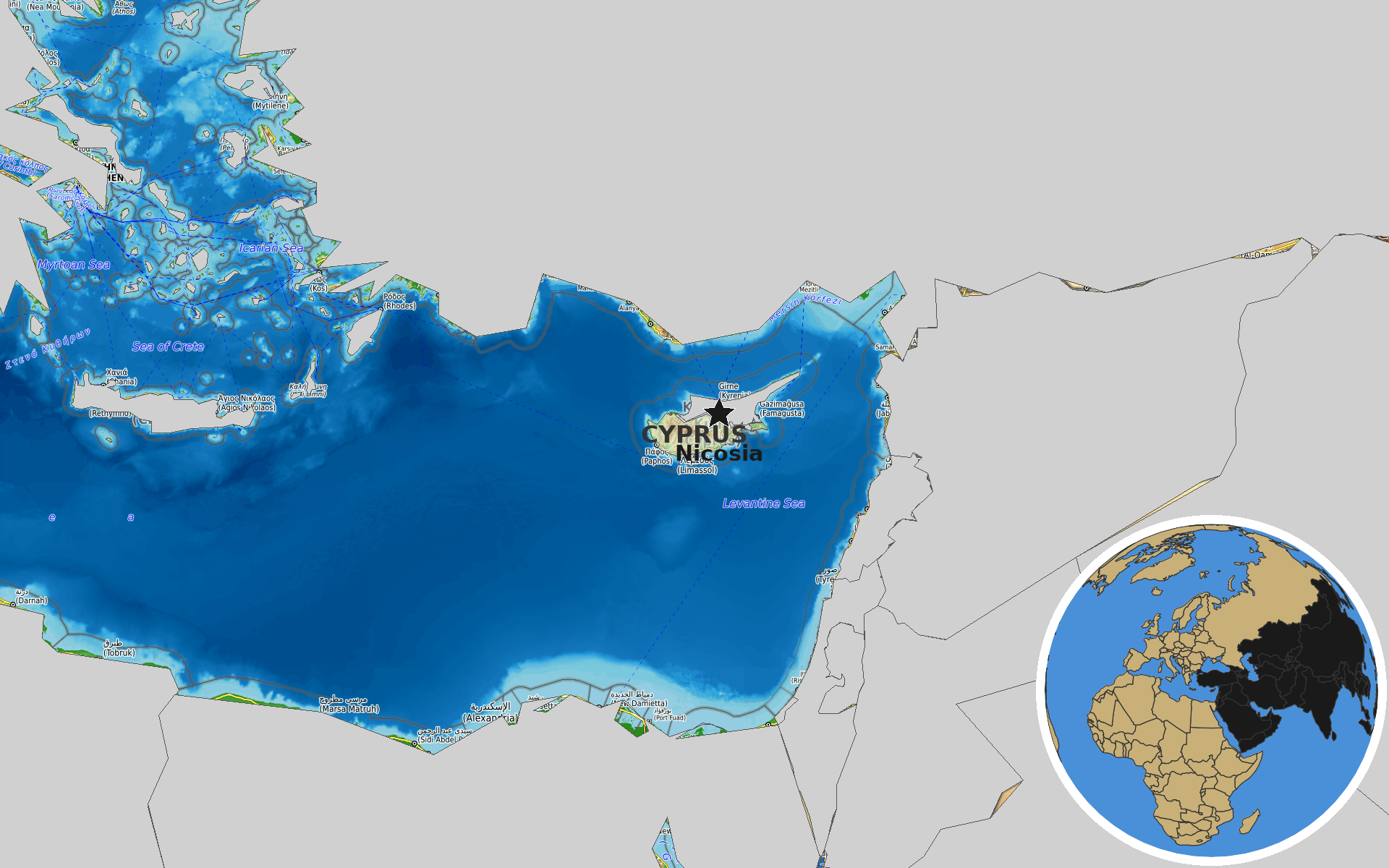
OpenTopoMap / Natural Earth – Cyprus
Photo by OpenTopoMap / Natural Earth – Cyprus
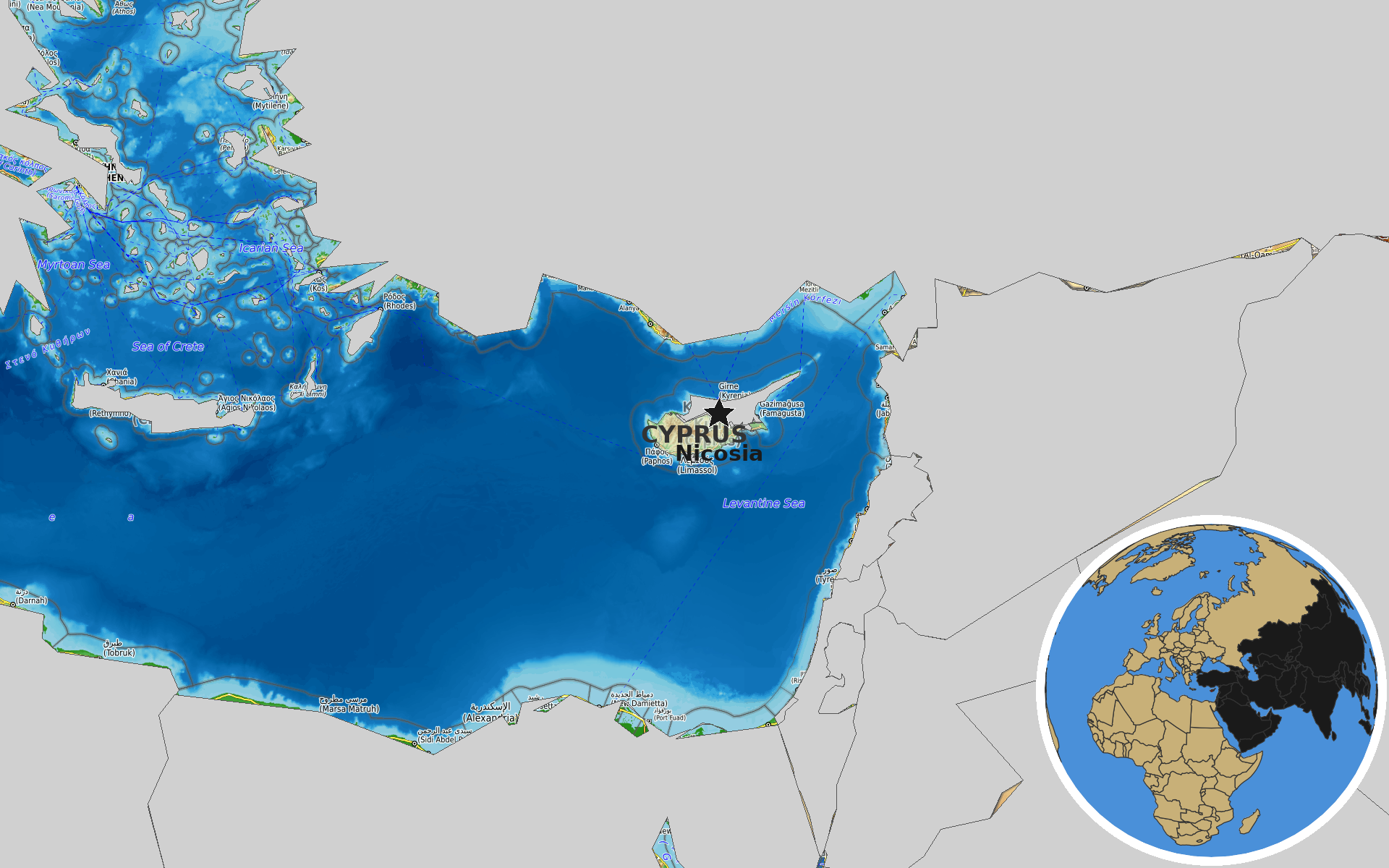
OpenTopoMap / Natural Earth – Republic Of Cyprus
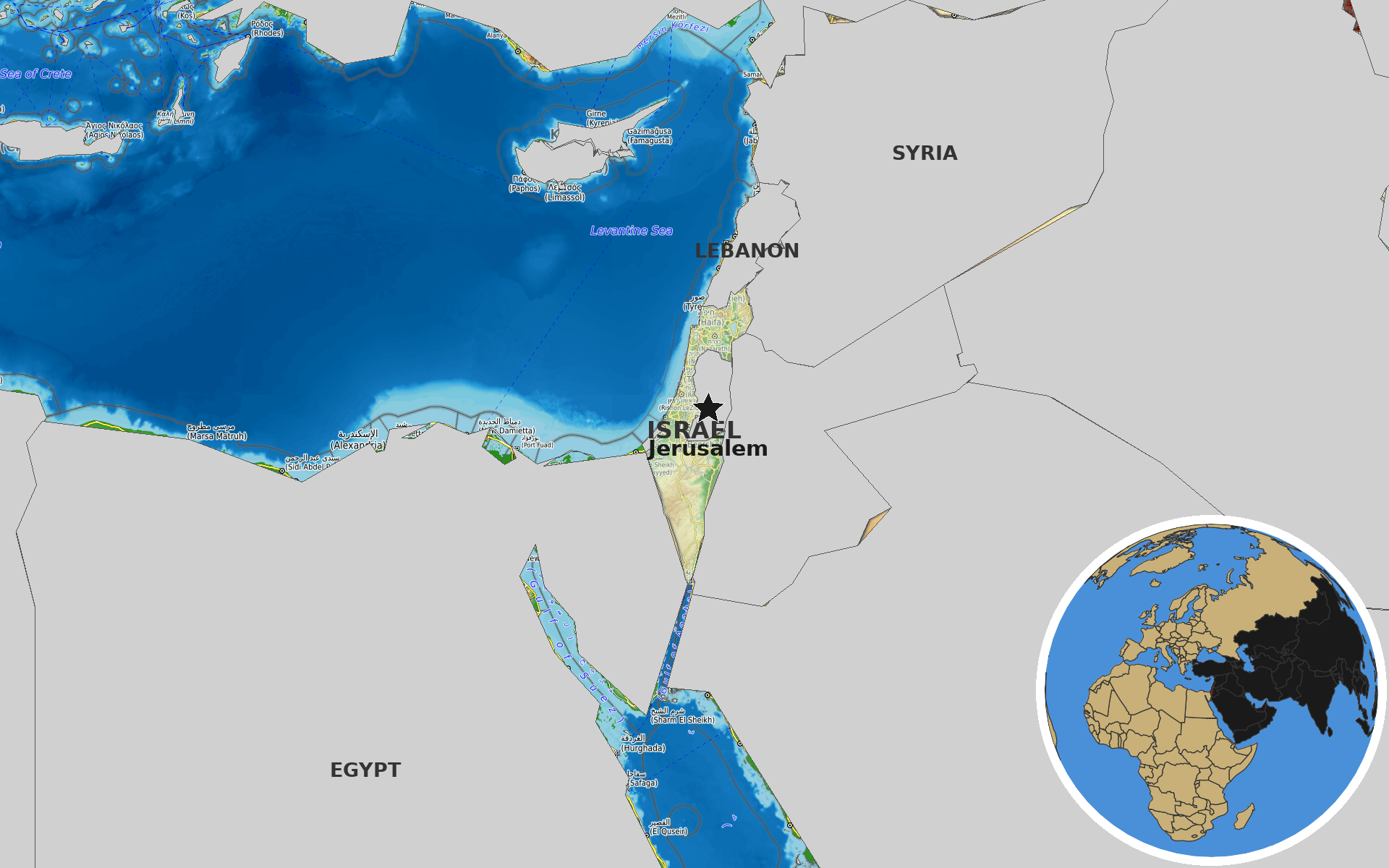
OpenTopoMap / Natural Earth – Israel
Photo by OpenTopoMap / Natural Earth – Israel
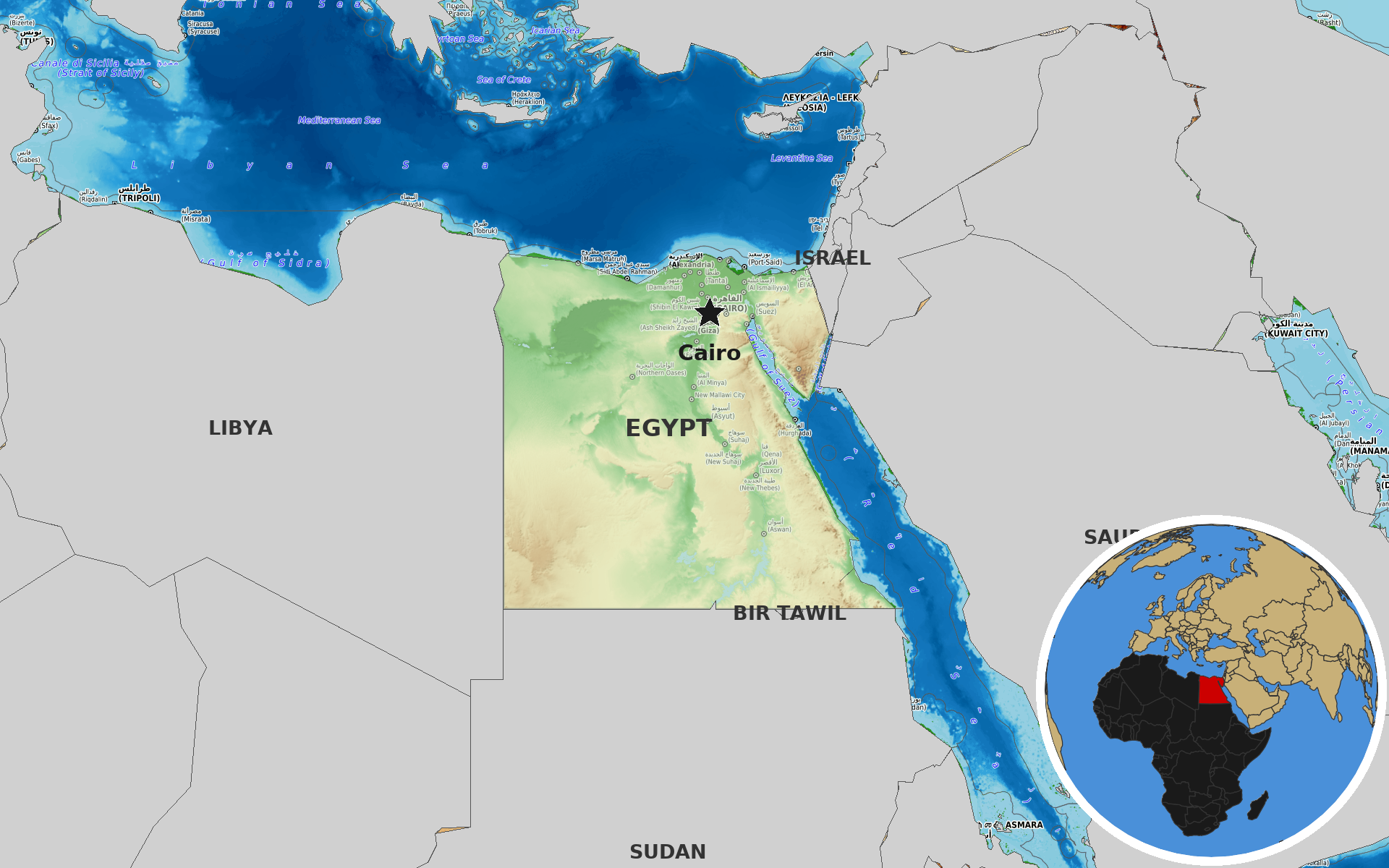
OpenTopoMap / Natural Earth – Egypt
Photo by OpenTopoMap / Natural Earth – Egypt
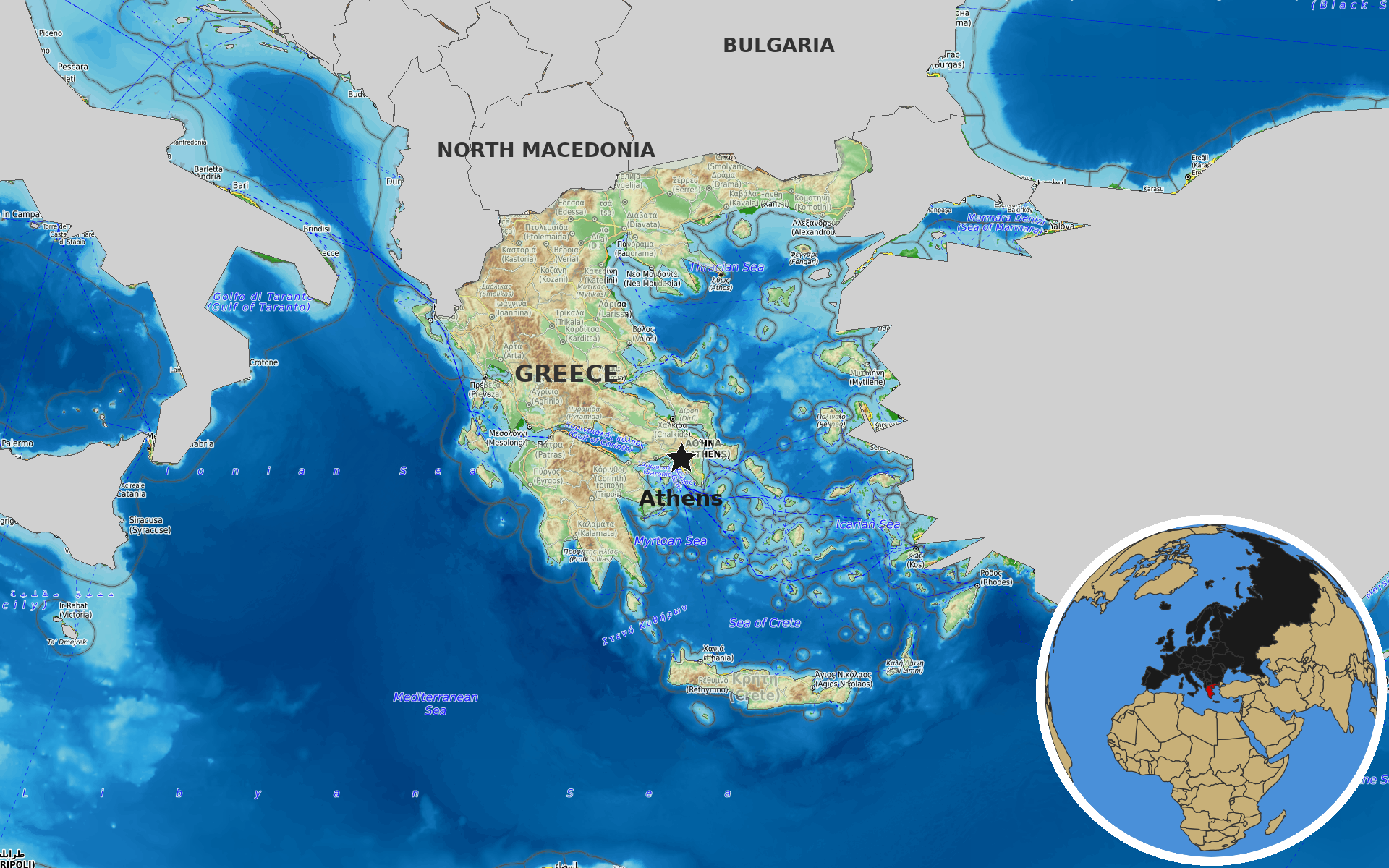
OpenTopoMap / Natural Earth – Greece
Photo by OpenTopoMap / Natural Earth – Greece