Utah Firm Awarded $9.9 Million Air Force Abatement Contract at Hill AFB
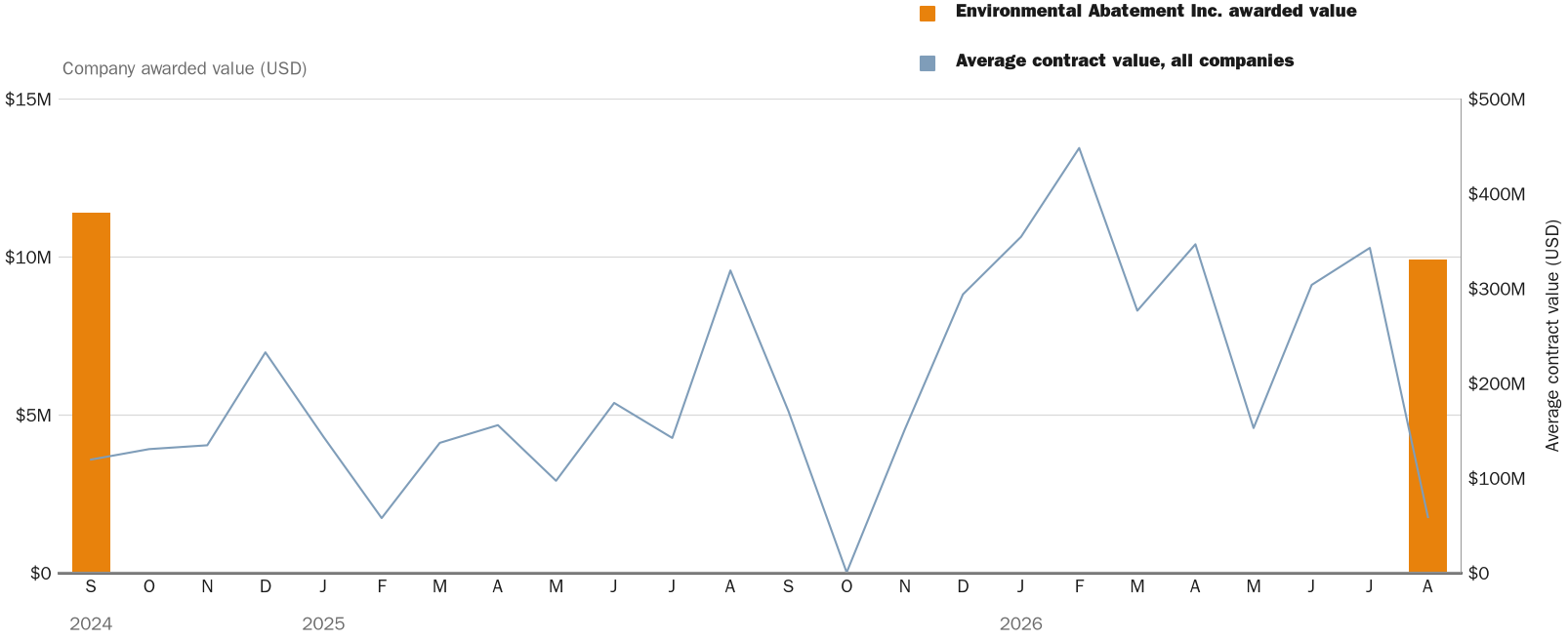
Environmental Abatement Inc. secured a ceiling $9.9 million deal to remove asbestos, lead-based paint and heavy metals at Hill Air Force Base through January 2034.

LAYTON, UTAH — Environmental Abatement Inc., a Layton, Utah, hazardous-materials contractor, received a ceiling $9.9 million Air Force contract to strip asbestos and other toxic substances from Hill Air Force Base, as announced on war.gov.
The firm-fixed-price, indefinite-delivery/indefinite-quantity award covers removal of asbestos, lead-based paint, heavy metals and animal excrement, along with sampling and inspection activities, according to war.gov. The Air Force is obligating fiscal 2025 operations and maintenance funds of $250 at the time of award and will draw down the remaining ceiling through individual task orders. The contract emerged from a competitive acquisition that drew two offers, according to war.gov.
The Air Force Sustainment Center at Hill AFB, Utah, serves as the contracting activity, and the contractor expects to complete the work by Jan. 19, 2034. Abatement contracts carry direct stakes for the airmen, civilian employees and their families who live and work near aging military facilities. Older bases often contain asbestos insulation, lead paint and contaminated soil left from decades of operations. The winning bidder gains a stable, multiyear revenue stream, while the rival contractor that fell short loses access to a recurring source of federal work.
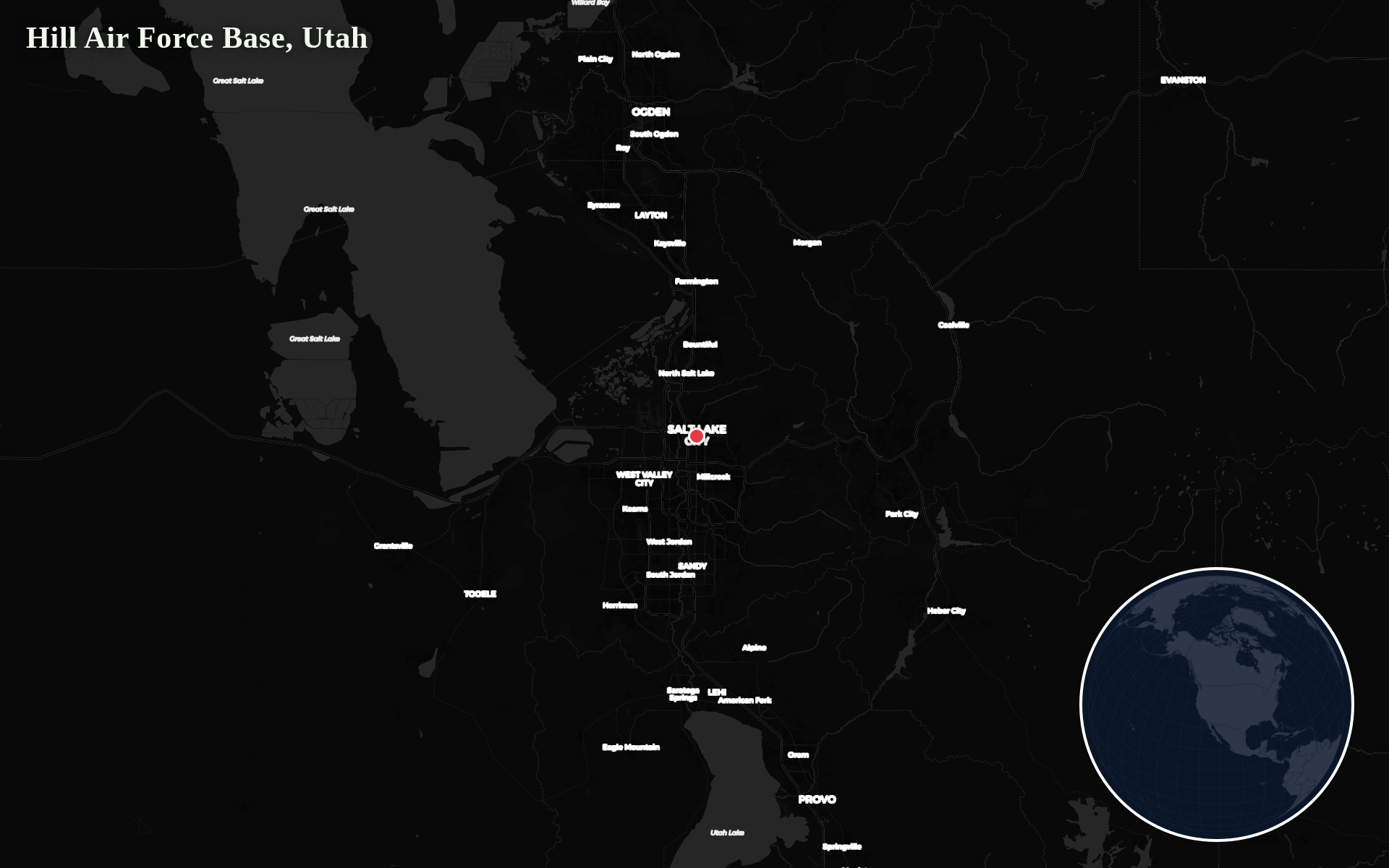
Hill Air Force Base ranks among the largest employers in Utah and functions as a major depot for aircraft maintenance and logistics. A ceiling of $9.9 million spread across an eight-year performance window represents a modest but steady line item within the base’s operations budget. Single depot-level aircraft overhaul programs at Hill routinely run into the hundreds of millions of dollars, underscoring the supporting role that abatement work plays in keeping facilities usable.
For the average reader, the award reflects the quiet, continuous cost of maintaining public infrastructure. Removing asbestos and lead-based paint protects workers from long-term health hazards and keeps government buildings within federal safety standards. Taxpayers ultimately fund the cleanup, and the indefinite-delivery structure lets the government pay only for the task orders it issues.
This has happened before. The Defense Department regularly awards indefinite-delivery contracts for environmental abatement at installations nationwide, and competitive acquisitions with a small number of bidders are common for specialized hazardous-materials work. The recurring nature of these deals reflects the ongoing maintenance demands of a large, aging base inventory.
The Air Force Sustainment Center will decide when to issue task orders under the contract, and it will determine how much of the $9.9 million ceiling it spends as needs arise. A specific date for the first task order has not been announced.
Military base cleanups have shaped Utah’s environmental record before, as happened with earlier remediation work in the state. The Environmental Protection Agency placed Hill Air Force Base on the federal National Priorities List of Superfund sites in 1987 after solvents and other contaminants turned up in groundwater. Cleanup and monitoring efforts stretched across decades and involved multiple contractors and federal oversight. The long remediation history at Hill established the base as a durable market for the abatement firms that keep its facilities safe.

NewsFindr Chart Maker
Photo by NewsFindr Chart Maker
Protomaps / Natural Earth – Hill Air Force Base, Utah
Photo by Protomaps / Natural Earth – Hill Air Force Base, Utah